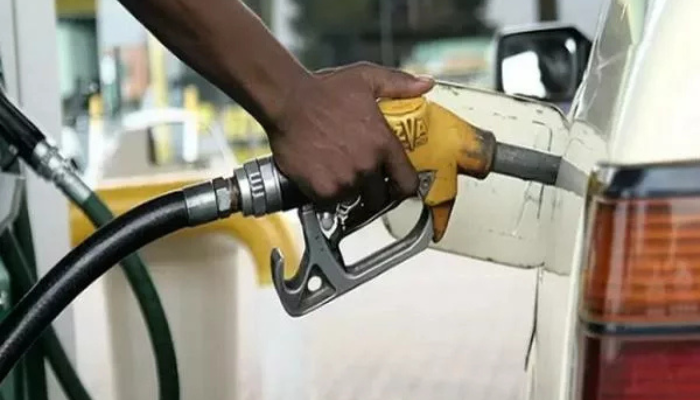

The Nigeria Labour Congress has called for urgent government intervention to address the sharp rise in petrol prices, now selling between N1,170 and N1,300 per litre across the country, warning that the increase is deepening economic hardship for workers and ordinary citizens.
In a statement issued on Thursday, NLC President Joe Ajaero said the rising cost of petrol had made transportation increasingly unaffordable for workers while food prices and other essential commodities continue to surge beyond the reach of ordinary Nigerians. “The sudden increase in petrol price has further deepened the economic hardship faced by Nigerian workers and the general populace,” he stated.
Ajaero urged the Federal Government to introduce immediate relief measures, including wage support and cost-of-living relief, to cushion the devastating impact of the fuel price crisis on workers and vulnerable citizens. He also called for tax relief for low-income earners and expanded social support programmes.
The NLC president stressed that the current situation exposes the vulnerability of Nigeria’s downstream petroleum sector to global market volatility. He emphasised the need for the government to ensure that public refineries become fully operational to reduce dependence on imported petroleum products. According to him, reviving the nation’s refineries would help stabilise domestic supply and shield Nigerians from sudden price shocks.
Ajaero further urged the government to ensure transparency in managing any revenue gains arising from current global developments. He noted that any windfall from rising crude oil prices should be channelled toward improving the welfare of Nigerians rather than being absorbed by inefficiencies in the sector.
The labour leader also called for sincere dialogue between government and organised labour to address the growing economic challenges facing workers. His demands come amid a sustained increase in global crude prices triggered by ongoing Middle East tensions, which have pushed petrol costs higher despite Nigeria’s status as a major oil producer.
The NLC’s intervention highlights the tension between macroeconomic realities and household welfare as Nigerians grapple with the cascading effects of fuel price increases on transportation, food costs, and general living expenses. The effectiveness of any government response will depend on balancing short-term relief measures with long-term structural reforms in the downstream petroleum sector.