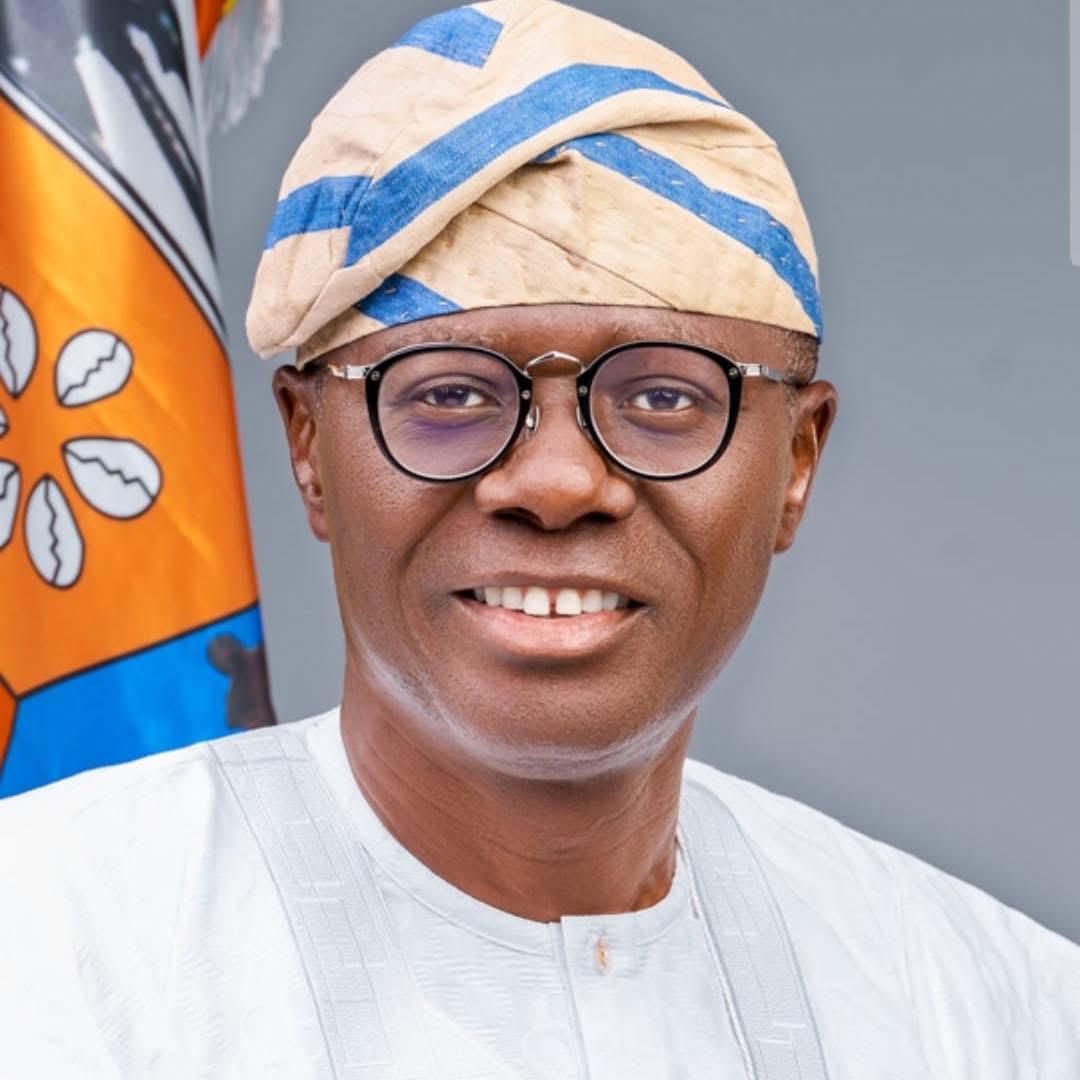

Lagos State Governor Babajide Sanwo-Olu has officially announced the reintroduction of the Monthly Environmental Sanitation Exercise, marking the return of a civic tradition aimed at improving public health and urban resilience. During a stakeholders’ engagement session on Saturday, March 14, 2026, the Governor confirmed that the exercise will formally commence in April 2026, held every last Saturday of the month from 6:30 a.m. to 8:30 a.m.
The structural and legal consequence of this reintroduction reflects a shift from mandatory enforcement to voluntary participation. The exercise was famously suspended in November 2016 following a court ruling that deemed movement restrictions unconstitutional. Governor Sanwo-Olu clarified that while the government respects the rule of law and will not impose the old three-hour movement restriction, the “civic responsibility” to maintain a clean environment remains unchanged.
The goal is to revive a culture of environmental consciousness through awareness and partnership rather than punitive measures.Analytically, the Governor linked the state of the environment directly to the longevity of Lagos’s infrastructure. He decried the habit of dumping plastic bottles, sachets, and wrappers into drainage channels, noting that clogged gutters are the primary reason newly repaired roads fail.
According to Sanwo-Olu, sustainable road maintenance is impossible if drainage systems meant to discharge storm water are perpetually blocked by refuse. He called on Community Development Associations (CDAs), market leaders, and religious organizations to take ownership of their immediate surroundings.The impact on “Waste-to-Wealth and Circular Economy” was highlighted by the Commissioner for the Environment and Water Resources, Mr. Tokunbo Wahab. He explained that Lagos is transitioning from a linear waste model where refuse is simply dumped at landfills to a circular system.
This new approach seeks to treat waste as a resource that can be converted into energy, compost, fertilizer, and recyclable materials, thereby creating economic opportunities while improving sustainability.Furthermore, the reintroduction follows over a year of high-level consultations to ensure the exercise is practical and supported by the public. Commissioner Wahab noted that while traders already observe a weekly sanitation every Thursday, extending this discipline to the wider community once a month is essential for a megacity of Lagos’s scale.
He emphasized that the “little sacrifice” of two hours a month would yield significant dividends in the quality of life for all residents.The long-term outlook for the initiative suggests a movement toward behavioral change and community-driven stewardship. By focusing on “consciousness” rather than just “enforcement,” the Sanwo-Olu administration hopes to build a more resilient Lagos capable of handling the pressures of its growing population. For residents, the success of the April kickoff will depend on individual choices made in homes and markets across the state’s 20 Local Government Areas.