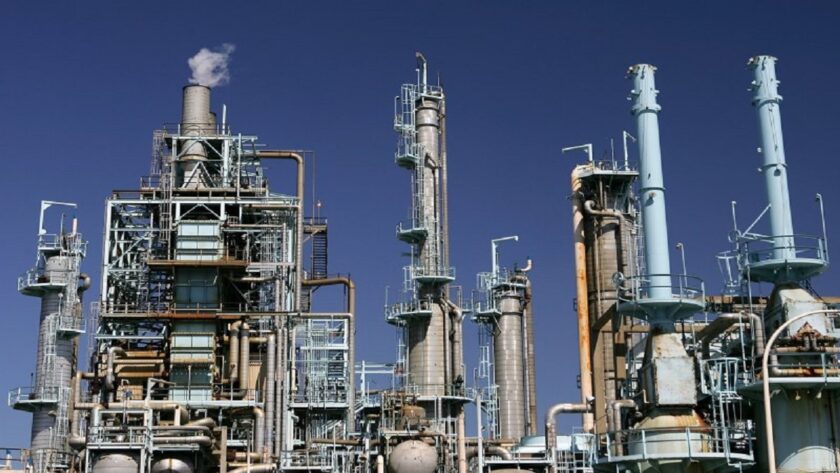

Ghana’s Tema Oil Refinery (TOR) is advancing technical upgrades that will significantly increase its processing capacity, strengthening the country’s ability to refine crude oil domestically and reduce dependence on imported refined products. The refinery is raising its processing capacity from 28,000 barrels per stream day to 45,000 barrels per stream day through the integration of an additional processing unit known as the F61 unit, which will operate alongside the refinery’s existing F1 unit.
Engineers are currently completing technical procedures needed to incorporate the new unit into the refinery’s operations. Both units will be connected to the crude distillation system to improve efficiency and increase production, enabling the refinery to process more crude oil and produce greater volumes of petrol, diesel, and other refined products for the Ghanaian market.
For Ghana’s economy, expanded domestic refining capacity carries multiple benefits. Each barrel of crude processed locally captures value that would otherwise flow to foreign refineries, keeping economic activity within Ghana and supporting local employment. Reduced dependence on imported refined products improves energy security, insulating the economy from global price volatility and supply disruptions. Lower import volumes also ease pressure on the cedi by reducing demand for foreign exchange to pay for refined product imports.
The refinery is presently operating under a tolling arrangement, where private companies supply crude oil for processing and pay a refining fee while retaining ownership of the finished products. This model allows the refinery to operate without bearing the cost and risk of crude oil purchases, focusing instead on efficient processing. The arrangement has enabled TOR to resume operations after years of difficulties that had left it largely idle.
The current upgrade is part of broader plans to revitalise the refinery, with management also considering a future capacity expansion to approximately 60,000 barrels per day. Such an expansion would further enhance Ghana’s refining capabilities, potentially enabling the country to process not only its own crude production but also crude from regional neighbours, positioning TOR as a West African refining hub.
The technical work underway at TOR reflects the government’s commitment to reviving strategic national assets and reducing the economic vulnerabilities associated with refined product imports. Ghana currently imports the vast majority of its petrol, diesel, and other refined products, spending substantial foreign exchange and exposing the economy to global market volatility. Each barrel of domestic processing reduces this exposure.
The timing of the expansion is significant given current global market conditions. Refining margins have improved in recent years, and domestic processing offers a hedge against the price volatility that has characterised global oil markets. With Brent crude trading above $100 per barrel and geopolitical tensions threatening supply, the value of domestic refining capacity has never been clearer.
However, challenges remain. The refinery will need reliable crude supply, which depends on Ghana’s domestic production and import arrangements. It will need to produce products that meet market specifications and compete with imports on quality and price. And it will need to operate reliably, avoiding the technical and financial difficulties that have plagued it in the past.
For Ghanaian consumers and businesses, successful refinery revitalisation offers the prospect of more stable fuel supplies and potentially lower prices over time. While domestic refining cannot fully insulate the economy from global price movements—crude oil itself is a globally traded commodity—it can reduce the additional costs associated with international shipping, insurance, and trading margins that add to import prices.
The TOR upgrade represents a bet on domestic industrial capacity and a rejection of the notion that African countries must remain passive exporters of raw materials and importers of refined products. If successful, it could serve as a model for other strategic industries and contribute to the broader goal of economic transformation.