
Lecturers at the Academic Staff Union of Universities (ASUU), University of Lagos chapter, have declared an indefinite strike following what they described as significant reductions in their January and February salaries.
The industrial action was announced after an emergency congress of the union, where members reviewed recent salary payments and expressed dissatisfaction with the deductions. The lecturers argued that the payments released by the university management did not reflect their full earnings for the affected months.
In a communiqué issued at the end of the meeting, the union explained that the decision followed a detailed discussion among members regarding the issue. According to the statement, the strike will begin immediately and continue until the salary dispute is resolved.
The union said the action became necessary after what it described as prolonged frustration over the reduced pay received in the two months under review. ASUU leaders characterised the payments as “amputated January, February salaries”, insisting that the situation undermines the welfare of academic staff and threatens stability within the institution.
The communiqué was jointly signed by the union’s chairperson, Idowu Kehinde, and the secretary, Adesina Arikawe. Both officials said the decision emerged from an “extensive and exhaustive” deliberation during the emergency meeting convened to assess the salary issue.
According to the union, members resolved that the strike would take effect from Wednesday and would remain in place until the university management addresses their concerns and restores the affected salaries. The lecturers stated that the industrial action is intended to compel the authorities to correct the payment discrepancies and engage the union in resolving the matter.
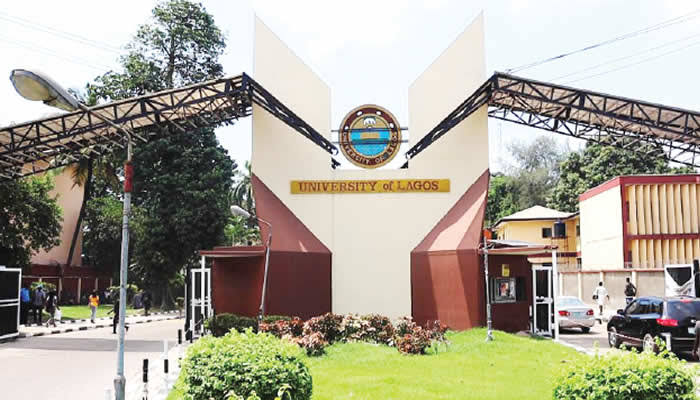
The strike is expected to disrupt academic activities at the University of Lagos, one of Nigeria’s leading federal universities. With lecturers withdrawing their services, teaching, assessments, and other academic engagements may be suspended until the dispute is settled.
The development adds to ongoing concerns about staff welfare and funding challenges in Nigeria’s public university system. Salary delays and disputes have frequently triggered industrial actions by academic unions, raising broader questions about funding, governance, and labour relations within the sector.
For students and university administrators, the strike presents another period of uncertainty. If negotiations do not progress quickly, academic schedules could face further disruptions, affecting lectures, coursework, and examinations.
ASUU has maintained that the action will remain in force until its demands are met and the salary issue is satisfactorily resolved. For now, the union’s position signals a firm stance: academic activities will not resume until the dispute over the “amputated” salaries is addressed.