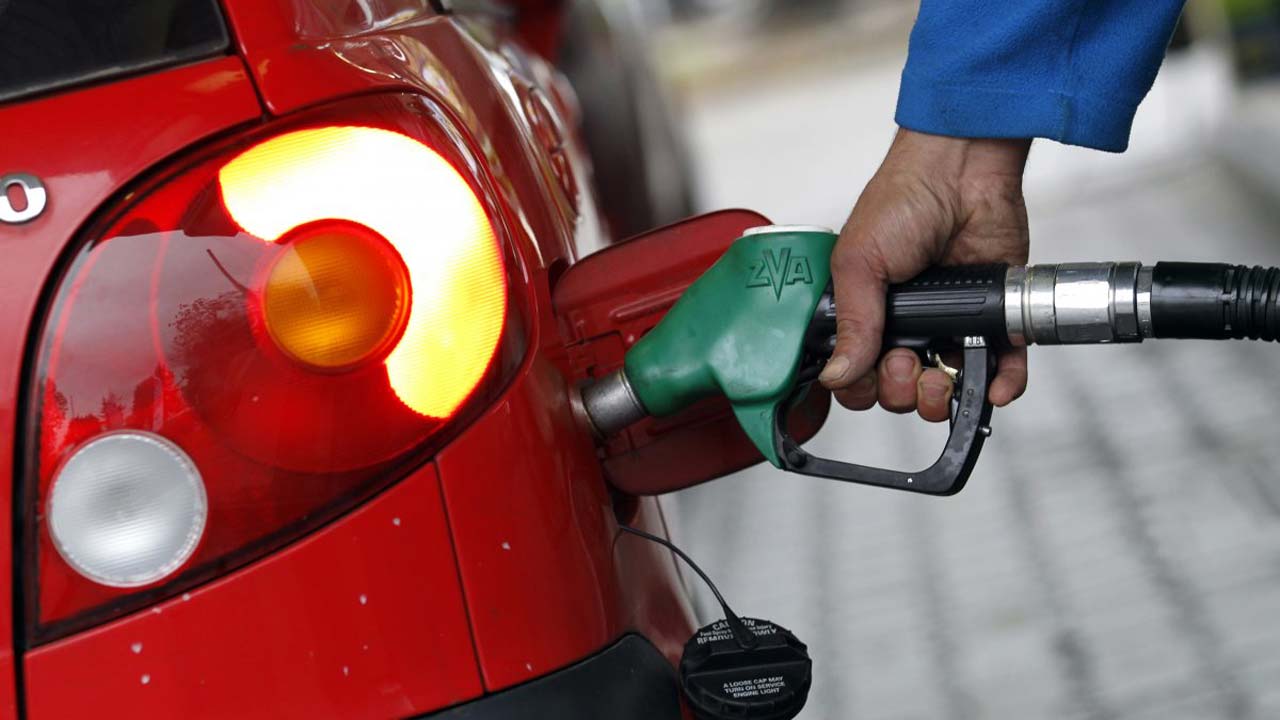

Retail petrol prices climbed in parts of Nigeria on Tuesday after some Nigerian National Petroleum Company Limited (NNPCL) stations in Abuja adjusted pump price to ₦960 per litre from ₦875, amid renewed volatility in global oil markets triggered by escalating Middle East hostilities.
Checks in Lagos along Ogunnusi Road showed that while some NNPCL outlets were not dispensing as of the time of monitoring, other marketers had moved prices upward in line with the new market reality. A Bovas outlet, for instance, adjusted its pump price from ₦835 to ₦935 per litre.
The adjustments come as crude prices rally sharply on heightened supply-risk fears around the Gulf region. Brent crude climbed beyond $80 per barrel early in the week and was trading around the mid-$84 range in international markets, following attacks and counter-attacks that have raised concern about shipping and infrastructure disruptions.
Analysts warn that if disruptions intensify around the Strait of Hormuz a key global chokepoint oil could surge further, worsening import costs for countries that rely heavily on refined fuel imports.
Petroleum marketers under the Petroleum Products Retail Outlets Owners Association of Nigeria (PETROAN) said the conflict is already sending shockwaves through energy markets and could deepen price pressure at home. Speaking in Abuja, PETROAN National President Dr Billy Gillis-Harry warned that Nigeria’s exposure is amplified by import dependence, especially under a deregulated pricing regime.
“With the deregulation of the downstream sector, pump prices are largely determined by global crude oil prices and foreign exchange rates. Any sustained increase in crude prices will inevitably reflect at the retail level,” Gillis-Harry said.
Beyond pump prices, PETROAN cautioned that prolonged instability could tighten foreign exchange conditions, raise transport and logistics costs, and feed into broader inflation adding strain to household budgets and business operations.
To reduce vulnerability to external shocks, the marketers urged the Federal Government to fast-track domestic buffers, including consistent crude supply to local refineries, sustained implementation of the naira-for-crude policy for eligible local processors, and accelerated rehabilitation and full operationalisation of Nigeria’s four state-owned refineries.
PETROAN said it would continue to track global market movements and engage stakeholders, while also calling for diplomatic efforts to restore stability in energy-producing regions and protect global supply chains.