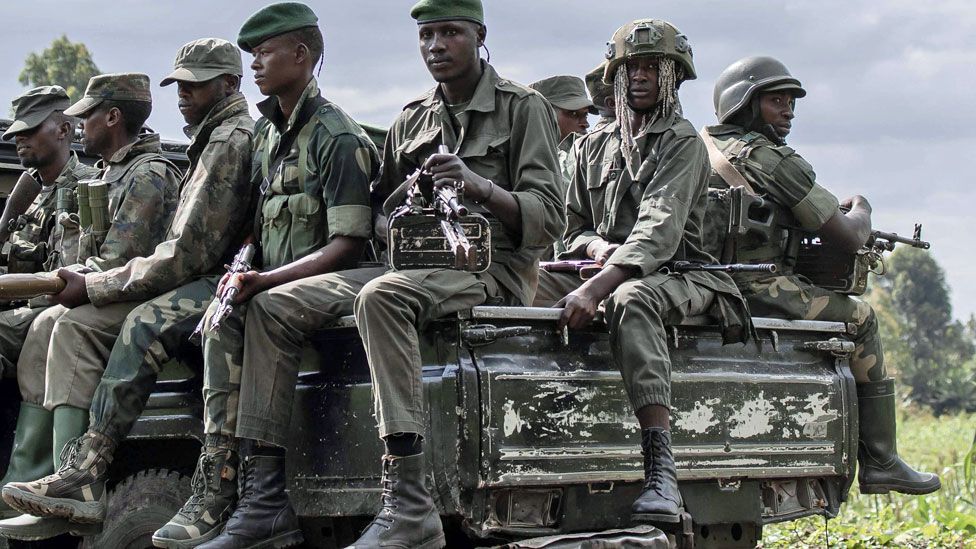

The United States’ imposition of sanctions on the Rwanda Defence Force (RDF) and four senior commanders, coupled with accusations of supporting the M23 rebel group in eastern Democratic Republic of the Congo, marks a significant escalation in international pressure on Kigali that carries profound implications for regional stability and the Great Lakes investment climate. The action, occurring just three months after Presidents Félix Tshisekedi and Paul Kagame signed the Washington peace deal hosted by Donald Trump, underscores the fragility of diplomatic engagements when underlying security dynamics remain unresolved.
The US Treasury’s detailed allegations—that Rwanda has trained, equipped, and fought alongside M23 rebels, contributing to the seizure of the strategic city of Uvira after the peace agreement—represent the most concrete international condemnation of Kigali’s role in the conflict to date. For an administration in Washington that has shown varying degrees of engagement with African affairs, the specificity of these accusations suggests intelligence sufficiently robust to withstand expected diplomatic pushback. The demand for immediate withdrawal of Rwandan troops and military equipment from DR Congo territory sets a clear benchmark against which compliance—or continued non-compliance—will be measured.
Rwanda’s vehement denial, insisting its forces act in self-defence against armed threats, reflects the high stakes involved. For Kigali, which has positioned itself as a developmental success story and reliable partner for Western institutions, these sanctions threaten to unravel a carefully cultivated international reputation. The targeting of senior commanders personally signals that Washington intends consequences to be felt within Rwanda’s military establishment, potentially complicating operational planning and international cooperation. For President Kagame, navigating this crisis while maintaining domestic cohesion and regional influence represents one of the more complex foreign policy challenges of his long tenure.
The Democratic Republic of Congo’s welcome for the sanctions, framed as support for its sovereignty, reflects Kinshasa’s longstanding frustration with what it perceives as insufficient international pressure on Rwanda. However, President Tshisekedi’s government must now demonstrate that it can translate diplomatic support into improved security outcomes for eastern provinces, where armed group activity has displaced millions and disrupted economic activity. The sanctions create space for Congo to press its case but do not, by themselves, enhance the capacity of the Congolese armed forces to assert control over contested territory.
For the regional investment climate, this escalation introduces new uncertainties. The Great Lakes region has attracted growing interest from mining companies, infrastructure investors, and technology firms seeking to participate in Congo’s mineral wealth and Rwanda’s services economy. Sanctions on a sovereign state’s military establishment raise questions about the broader business environment, including the applicability of secondary sanctions, the stability of cross-border supply chains, and the predictability of regulatory frameworks. Investors who had begun to price in the Washington peace deal’s commitments must now recalibrate risk assessments.
The US warning that further measures are available if both sides fail to honour peace commitments keeps diplomatic pressure alive but also signals Washington’s expectation that progress will require sustained engagement, not merely declaratory statements. For regional bodies like the African Union and the East African Community, the sanctions present both a challenge to their conflict resolution mechanisms and an opportunity to demonstrate that African-led processes can achieve outcomes that complement rather than merely react to external pressure. The coming months will test whether the combination of sanctions and diplomacy can move the parties toward the durable peace that has eluded the Great Lakes for decades.