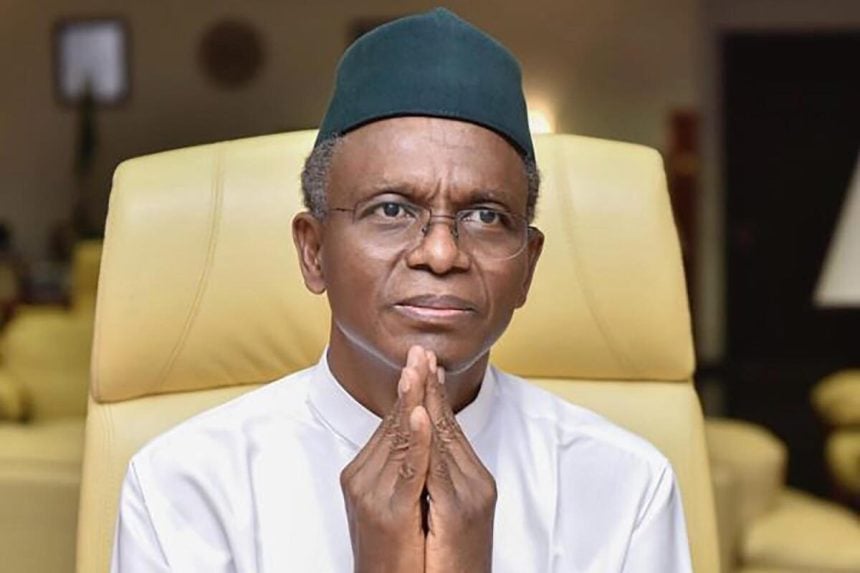

Former Vice President and African Democratic Congress (ADC) presidential aspirant, Atiku Abubakar, has demanded immediate transparency from the Federal Government regarding the “unclear” detention of former Kaduna State Governor, Nasir El-Rufai. In a strongly worded statement shared via his official X handle on Tuesday, February 24, 2026, Atiku cautioned the administration that it would be held personally accountable should any harm befall the former minister while in state custody.
The political consequence of this intervention is the framing of El-Rufai’s detention as an act of selective prosecution. Atiku argued that the aggressive pursuit of opposition figures, while others remain shielded from scrutiny, transforms anti-corruption agencies into political weapons. By highlighting the lack of clarity regarding which agency the EFCC, ICPC, or SSS is currently holding El-Rufai, Atiku is challenging the legitimacy of the investigation and labeling the secrecy as a significant threat to democratic norms.
Analytically, El-Rufai is currently navigating a complex web of legal and security challenges involving financial scrutiny and alleged cybercrime offenses. Investigations into his tenure as governor involve probes by the EFCC and ICPC, while the State Security Service (SSS) is reportedly pursuing charges related to the Cybercrimes Act. Most critically, reports that El-Rufai suffered a nosebleed in custody while being denied access to family and legal representatives have shifted the conversation toward a potential human rights crisis.
The impact on “The Rule of Law and Political Stability” is a vital dimension of this developing story. Atiku emphasized that the government has a constitutional duty to guarantee the safety, dignity, and medical care of any detainee. He noted that if the authorities cannot ensure El-Rufai’s fundamental rights, the only humane and lawful course of action is to grant him bail without delay. This rhetoric is designed to build a coalition of advocates against what the opposition perceives as increasingly coercive tactics by the current administration.
Furthermore, the growing perception of partisan justice remains a central theme in Atiku’s critique. He maintained that for accountability to be credible, it must be even-handed and transparent. The continued detention of a high-profile figure like El-Rufai without a clear public statement from the detaining agency fuels suspicion of strategically timed political intimidation. Atiku’s post serves as a rallying cry for transparency, insisting that justice must apply to all without fear or political bias.
The long-term outlook for this case depends on the government’s response to these health and transparency concerns. If a formal statement or a court appearance is not forthcoming, the narrative of political persecution is likely to gain traction among opposition blocs and international observers. For now, the “disappearance” of El-Rufai into the security establishment has become a major flashpoint in the national discourse, with Atiku positioning himself as a primary defender of civil liberties.