
The deaths of 37 suspected illegal miners in the custody of the Nigeria Security and Civil Defence Corps (NSCDC) in Niger State have put fresh scrutiny on the enforcement side of Nigeria’s drive to expand investment and formal activity in the mining sector.
The men were among scores of suspected illegal miners arrested during NSCDC operations in M.I. Wushishi and Lukoto villages on September 15 and 16, 2026. The NSCDC confirmed the deaths on Thursday, September 17, after the detainees were found dead at its detention facility in Minna.
The cause of death has not been established. The NSCDC initially said on September 17 that the deaths followed a suspected disease outbreak, while survivors and other reports raised concerns about overcrowding and ventilation at the facility. Niger State Governor Mohammed Umaru Bago said on September 18 that forensic and medical examinations and autopsies were being conducted to establish the scientific cause of the deaths.
The Federal Government has ordered a full investigation into the incident. Interior Minister Olubunmi Tunji-Ojo directed the NSCDC Commandant General, Ahmed Audi, to conduct a full-scale investigation, after which the Niger State commandant, Suberu Aniviye, was suspended and ordered to report to the NSCDC headquarters in Abuja.
The Niger State Government also constituted a committee of inquiry on September 18 to investigate the deaths and ordered autopsies. The police separately opened an investigation into the circumstances surrounding the deaths.
The incident comes as Nigeria seeks to increase the economic contribution of its solid minerals sector and attract more private capital into mining. On July 9, 2026, Solid Minerals Development Fund (SMDF) Executive Secretary Fatima Umaru Shinkafi said revenue from the sector rose from about ₦16 billion in 2023 to ₦38 billion in 2024 and more than ₦70 billion in 2025.
Shinkafi also said the sector recorded real growth of 33.5 per cent in 2025, compared with 3.9 per cent growth for the Nigerian economy, while reforms since 2023 had attracted about $2.6 billion in fresh investment commitments. She said the Federal Government was targeting a 25-fold expansion of the mining industry to about ₦30 trillion, or roughly $21 billion, by 2030.
The investment push includes a $1.3 billion alumina refinery project. The Federal Government and Africa Finance Corporation signed a memorandum of understanding for the project on March 1, 2026, alongside plans for geoscience mapping and an investment vehicle for mining projects. The Federal Ministry of Information described the refinery as a major private investment in the sector.
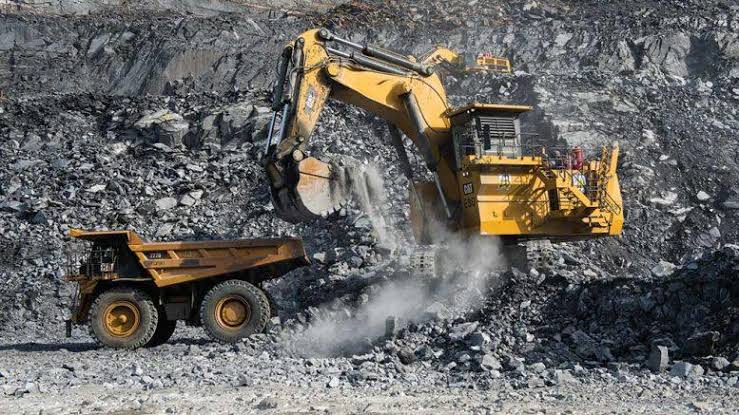
At the enforcement end, the NSCDC Mining Marshals have become a major part of the government’s campaign against illegal mining. On July 15, 2026, the NSCDC said the Mining Marshals had arrested 671 suspected illegal miners and charged 397 before the Federal High Court as part of the campaign.
That enforcement role makes the Niger State incident significant for the sector’s reform programme. Nigeria is seeking to formalise mining activity, reduce illegal operations and create an environment capable of attracting long-term investment, while security and regulatory enforcement remain important parts of that effort.
The deaths have also triggered demands for greater transparency. The African Democratic Congress, in a statement reported on September 18, 2026, called for an independent investigation, autopsies, publication of the identities and detention records of the deceased, compensation for their families and prosecution of any officials found responsible. Those are demands by the party and are not findings of the ongoing investigations.
For now, the central issue remains unanswered, what caused the deaths of the 37 detainees? The findings of the government, police and medical investigations will determine whether the incident was linked to illness, detention conditions or another factor.
For Nigeria’s mining sector, those findings will also provide important information about how its expanding enforcement system operates as the government seeks to move the industry towards greater formalisation, investment and value addition.