
The stakes for the upcoming 2026 FIFA World Cup have reached unprecedented heights as the global football governing body announces a significant increase in prize money. In a move described as groundbreaking, FIFA has confirmed that the winners of the expanded 48-team tournament in North America will take home a staggering $50 million. This figure represents a substantial rise from the $42 million awarded to Argentina for their triumph in Qatar 2022, marking a nearly 20 percent increase for the ultimate champions.
FIFA’s decision to boost the financial rewards underscores the commercial success and expanding scale of the tournament, which will be jointly hosted by the United States, Canada, and Mexico. The total prize fund for the national teams has been set at approximately $727 million, a figure that dwarfs previous allocations. Under the newly approved distribution plan, the financial incentives extend well beyond the champions. The runners-up in the 2026 final will receive $33 million, while the third and fourth-placed teams are set to earn $29 million and $27 million, respectively.
While the increases are significant, they have drawn inevitable comparisons to FIFA’s other major project, the expanded Club World Cup. That tournament, recently staged in the United States with 32 teams, boasted a total prize fund of $1 billion, with the winning club banking up to $125 million. This disparity—where a club tournament offers more than double the winner’s check of the sport’s most prestigious national event—has sparked debate. FIFA has defended the difference by highlighting the distinct financial structures of club versus national football. Clubs, the organization argues, bear significantly higher operational costs, particularly regarding player wages and transfer fees, whereas national federations are largely funded through such tournament revenues to support development.
FIFA President Gianni Infantino has championed the new financial package as a vital contribution to the global football community. Speaking on the matter, Infantino emphasized that the revenues generated by the World Cup are pivotal for funding development programs worldwide. The distribution model approved by the FIFA Council in Doha ensures that financial benefits trickle down to every participant. Even the teams that fail to progress beyond the group stages will not leave empty-handed. The base prize money for participation has been set at $9 million per team. Additionally, every one of the 48 qualified nations will receive a $1.5 million payment specifically designated to cover preparation costs, bringing the minimum guaranteed revenue for any qualified nation to $10.5 million.
The allocation of these funds remains at the discretion of individual football federations, though history suggests players will see a share of the windfall. For instance, during the 2022 World Cup, reports from L’Equipe indicated that French players were in line for bonuses of approximately $586,000 each had they successfully defended their title. With the pot now larger than ever, the 2026 tournament promises to be the most lucrative in history for federations and players alike.
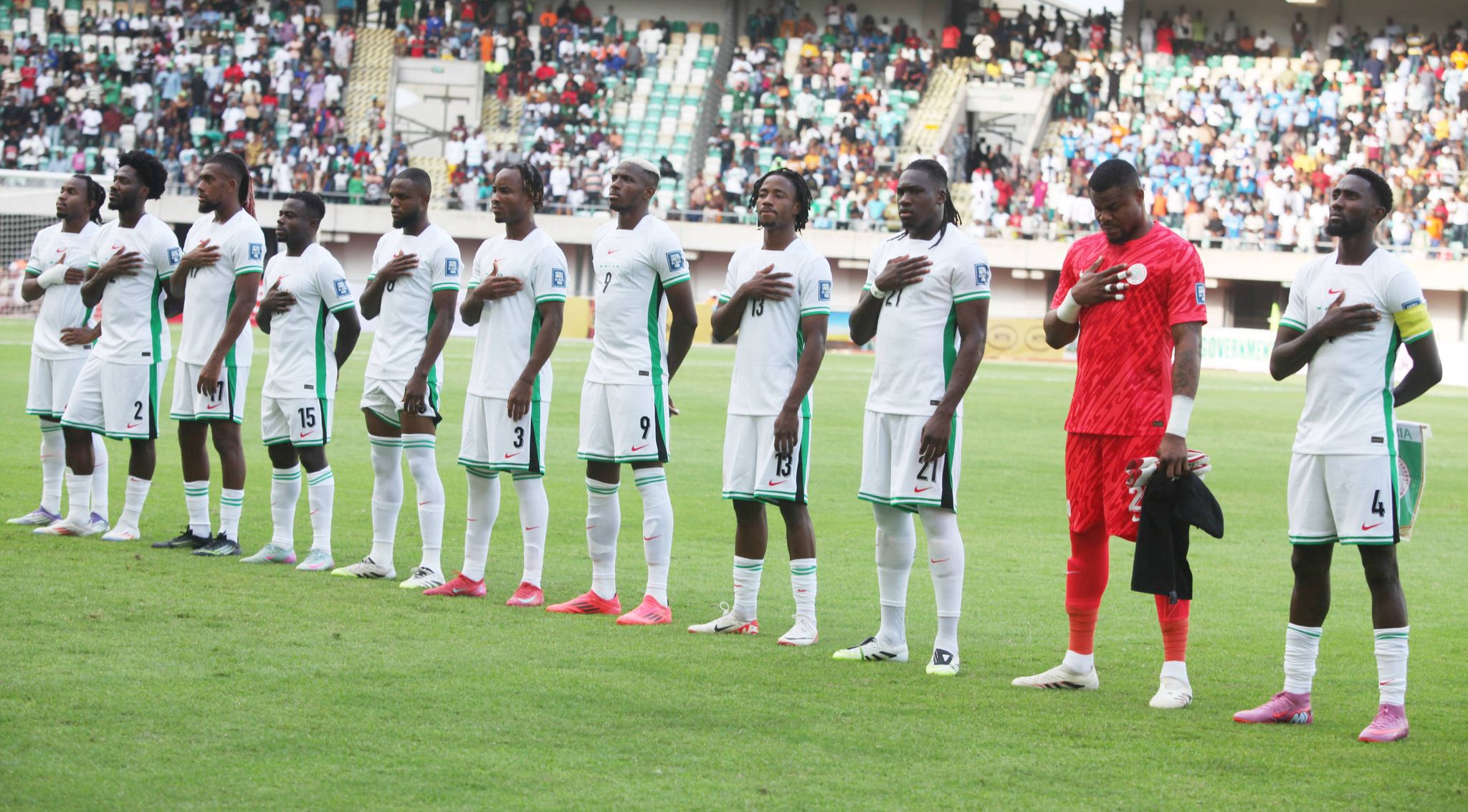
The financial implications of this increase are particularly stinging for the Nigeria Football Federation (NFF) following the Super Eagles’ failure to qualify for the 2026 tournament. By missing out on the ticket to North America, Nigeria has effectively forfeited a guaranteed minimum of $10.5 million (approximately N15.2 billion). This sum, comprising the $9 million participation fee and the $1.5 million preparation grant, would have provided a crucial lifeline for the NFF, which relies heavily on FIFA grants to fund grassroots development, administrative operations, and national team programs.
Beyond the direct prize money, the economic loss is compounded by the forfeiture of potential commercial revenues. Qualification for the World Cup typically triggers a surge in sponsorship deals, merchandise sales, and global brand visibility for the national team. The absence of the Super Eagles on the world stage means the country misses out on the “global shop window” effect, which historically boosts the valuation of Nigerian players and attracts foreign investment into the local sports sector. This double blow of lost FIFA handouts and vanished commercial opportunities presents a severe setback for the financial stability of Nigerian football in the coming cycle.