
The annual World Bank and International Monetary Fund (IMF) meetings in Washington D.C. serve as a critical forum for nations, especially those navigating complex economic reforms, to engage with global financial institutions and attract foreign investment. For Nigeria, these meetings are vital for articulating its economic vision, securing developmental support, and building confidence among international stakeholders. This year’s gathering was marked by an unexpected, yet critical, change in leadership, placing Nigeria’s ongoing economic stabilization efforts under a unified, if temporary, monetary-policy spotlight.
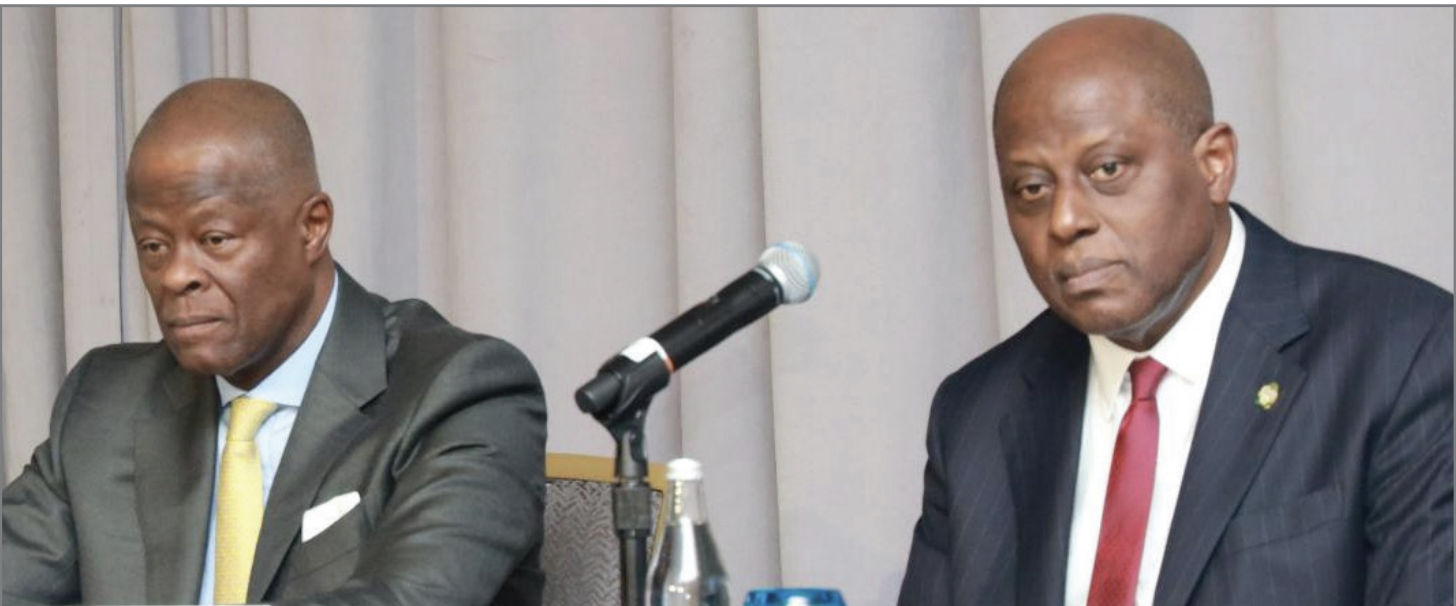
The Nigerian delegation arrived in Washington D.C. under the leadership of Central Bank of Nigeria (CBN) Governor, Yemi Cardoso, who stepped in to replace the Minister of Finance and Coordinating Minister of the Economy, Wale Edun. Presidency sources confirmed that Mr. Edun was indisposed due to illness, necessitating the pivot to the CBN Governor, who holds the position of Alternate Governor for Nigeria at both the World Bank and the IMF. This sudden switch highlighted the importance of continuity and collaboration between Nigeria’s fiscal and monetary authorities on the global stage.
The Fiscal Mandate of Wale Edun
Wale Edun, as the Coordinating Minister of the Economy, would have brought a mandate focused squarely on Nigeria’s bold fiscal reform strategy. His planned discussions would have centered on the administration’s decisive actions, including the widely debated removal of the fuel subsidy and the rationalization of the foreign exchange market. Edun’s role, as previously articulated in his public statements, was to reassure investors that these painful short-term adjustments were necessary steps to break the cycle of macroeconomic instability, attract crucial private sector capital, and drive inclusive, sustained growth.
He was expected to spearhead talks on strengthening the national balance sheet, leveraging technology to eliminate leakages, and significantly raising the tax-to-GDP ratio from its current low levels—an ambition critical for funding infrastructure and social programs. Edun’s presence was thus intended to underscore the government’s commitment to fiscal discipline and to mobilize the external financial resources required to mitigate the short-term social costs of the reforms.
Expectations for Yemi Cardoso’s Leadership
With Edun’s temporary absence, the mantle fell to CBN Governor Yemi Cardoso, a development that shifted the immediate emphasis of Nigeria’s presentation to monetary stability. Cardoso, whose tenure has been defined by a committed return to orthodox monetary policy, is expected to present a compelling case for the significant steps taken by the CBN to stabilize the Naira and curb persistent inflation.
The expectations for Cardoso are high. He is tasked not only with steering the Nigerian team, which includes the Minister of State for Finance, but also with articulating a cohesive narrative of recovery. This includes showcasing the recent improvements in the foreign exchange market—marked by increased liquidity and a temporary strengthening of the Naira—which have helped rebuild trust among both domestic and international investors. Cardoso must also address critical global issues on the agenda, such as debt sustainability and climate finance, while effectively managing the international dialogue concerning the impact of Nigeria’s current economic adjustments.
His key responsibility remains the alignment of monetary policy with the broader fiscal goals championed by the administration. By leading the delegation, Cardoso reinforces the crucial message that Nigeria’s reform agenda—prioritizing financial discipline and private sector-led growth—is being executed across both the fiscal and monetary fronts, offering a unified path toward a more resilient and prosperous economic future for the nation.