
Global markets have been rattled after Donald Trump announced a US naval blockade of the Strait of Hormuz, escalating tensions following failed peace talks with Iran. US stock futures dropped sharply in response, with the Dow Jones Industrial Average, S&P 500, and Nasdaq Composite all falling by more than one percent, reflecting investor anxiety over a potential prolonged conflict.
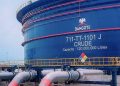
Oil markets, however, surged dramatically amid fears of supply disruptions in one of the world’s most critical energy corridors. West Texas Intermediate jumped over eight percent to above $104 a barrel, while Brent Crude rose more than seven percent on the ICE Futures Europe. Analysts say the breakdown in talks between the US and Iran is fueling concerns that the conflict could drag on, pushing oil prices even higher and adding further strain to an already fragile global economy.
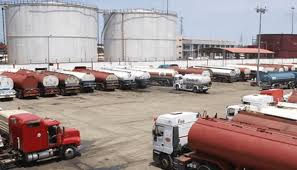
The Strait of Hormuz is a vital chokepoint through which approximately 20 percent of the world’s oil passes daily. A sustained blockade would remove millions of barrels from global supply, driving prices significantly higher. For Nigeria, an oil-dependent economy, higher prices would boost government revenues and foreign exchange inflows. However, the country’s continued reliance on imported refined products means higher crude costs would also translate into increased petrol and diesel prices, exacerbating inflationary pressures and raising transport and manufacturing costs.
Gold prices declined, with futures on the New York Mercantile Exchange slipping below $4,700 an ounce, marking losses of more than two percent at one stage. Investors moved away from the safe-haven asset amid forced selling to cover losses in other markets. The blockade represents a dramatic escalation of the US-Iran conflict, with potential long-term consequences for global energy security and economic stability.