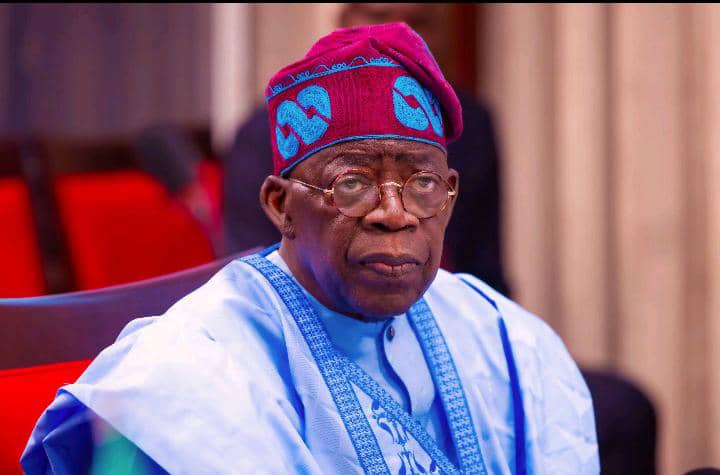

President Bola Ahmed Tinubu has postponed his planned journeys to the 20th G20 Leaders’ Summit in Johannesburg and the 7th African Union–European Union (AU–EU) Summit in Luanda, citing serious security concerns at home. According to his Special Adviser on Information and Strategy, Bayo Onanuga, the president is awaiting further security briefings before he departs.
The decision follows a string of alarming incidents: the abduction of 24 schoolgirls in Kebbi State and a violent attack on worshippers at a Christ Apostolic Church in Eruku, Kwara State. In response, Tinubu has instructed security forces to deploy additional troops, particularly in Eruku and surrounding areas. He has also directed the police to aggressively pursue the criminals behind the church attack.
“We are deeply concerned by the security breaches,” the presidency said in a statement. Tinubu is now relying on reports from Vice President Kashim Shettima, who recently visited Kebbi, as well as from the Department of State Services (DSS) and the police, before making a final decision on rescheduling. In the statement, he also reaffirmed his commitment to ensuring the safe return of the kidnapped girls, ordering agencies to do everything possible toward their rescue.
Tinubu’s cancelled trip comes at a critical moment. The G20 Summit, taking place from November 22–23, was to bring together world leaders to deliberate on inclusive growth, debt sustainability, trade financing, and climate resilience. The AU–EU Summit, slated for November 24–25, was to focus on climate action, infrastructure development, digital transformation, and agribusiness.
These high-level meetings were important platforms for Nigeria to advance its Renewed Hope Agenda, strengthen bilateral alliances, and deepen international economic cooperation. Tinubu is expected to attend with senior officials such as Minister of Finance Wale Edun, Minister of Trade Jumoke Oduwole, and the Director-General of the National Intelligence Agency.
His decision to stay back reflects a delicate balancing act: promoting economic diplomacy abroad while responding forcefully to rising insecurity at home. Should he reschedule, the administration will need to ensure that this security setback does not derail its broader economic reform efforts and momentum on the global stage.