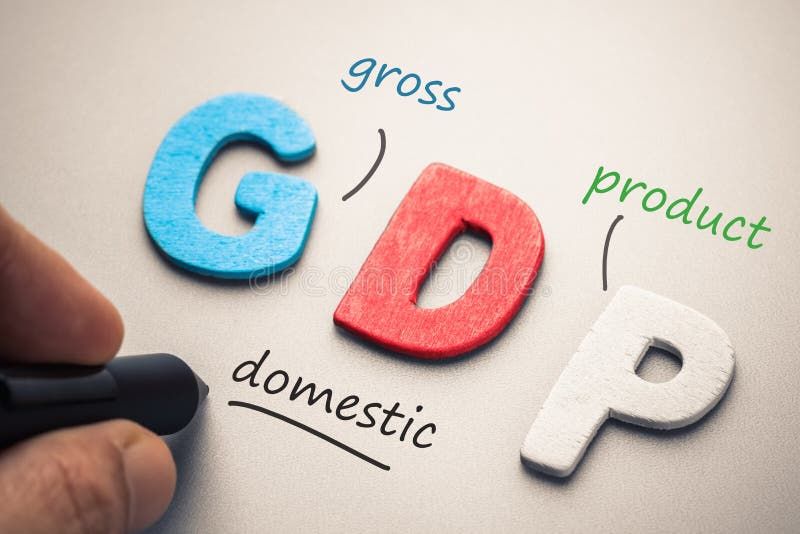

Nigeria’s economy grew by 3.89 percent in the first quarter of 2026, according to the latest Gross Domestic Product report released by the National Bureau of Statistics. The new figure shows an improvement from the growth recorded in the same period of 2025, signalling stronger economic activity across major sectors of the economy.
The report stated that the services sector remained the biggest driver of growth during the period. The sector recorded strong performance in telecommunications, finance, trade, transportation, and real estate activities, contributing more than half of the country’s total GDP.
The industry sector also recorded growth, supported by improved manufacturing output and increased construction activities. Nigeria’s oil sector showed moderate improvement as average crude oil production rose compared to the previous year, helping to strengthen economic output.
In nominal terms, the country’s GDP value increased significantly compared to the corresponding quarter last year, reflecting higher economic transactions and business activities across the country. The non oil sector continued to outperform the oil sector, reinforcing Nigeria’s gradual shift towards a more diversified economy.
The NBS explained that the GDP figures were compiled using the rebased national accounts system, which now uses 2019 as the base year instead of 2010. According to the agency, the rebasing was done to better reflect current economic realities and capture emerging sectors such as digital services, e commerce, tourism, and the marine economy.
Despite the positive growth figures, many Nigerians are still facing high inflation, rising food prices, and increased transportation costs. Economists believe sustained reforms, improved infrastructure, stable exchange rates, and better living conditions will be necessary for citizens to fully feel the impact of the country’s economic growth.