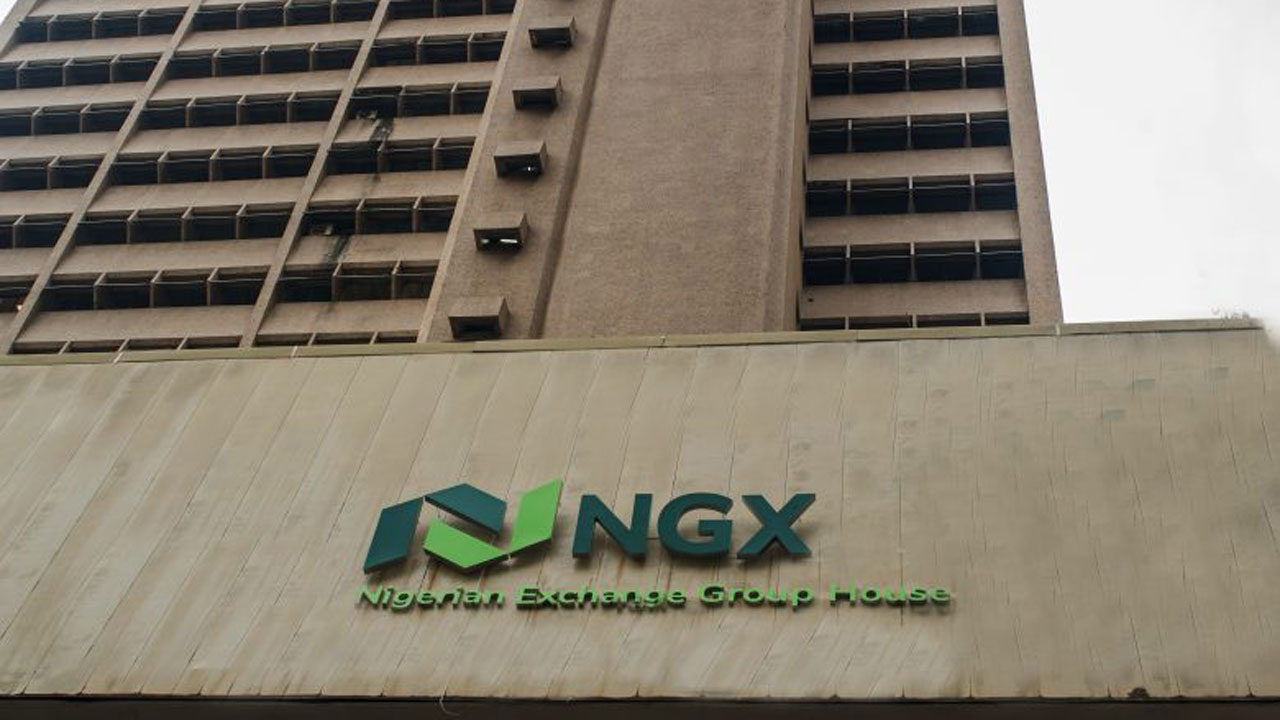

The Nigerian Exchange’s All-Share Index closed April at an unprecedented 242,277.81 points, breaching the 242,000 level for the first time and cementing Lagos’s place as one of the world’s best performing equity markets this year.
That record settlement represents a staggering N156 trillion (approximately $113 billion) increase in total market capitalisation over the month alone. To put that in perspective, the benchmark index had already risen by nearly N56 trillion in the first four months of 2026, underscoring the accelerating pace of investor demand.
“This isn’t a narrow rally,” said a Lagos-based portfolio manager who spoke on condition of anonymity. “We’re seeing broad based buying across banking, consumer goods, and oil & gas counters, much of it driven by domestic institutional investors rotating out of fixed income.
”The NGX’s ascent follows a series of central bank rate decisions that have signalled a pause in monetary tightening, improving corporate earnings outlooks, and renewed foreign portfolio interest after 18 months of net outflows. The all-share index has now more than tripled from its 2024 lows, making Nigerian equities a standout outlier in frontier markets this year.
Still, analysts caution that valuations are becoming stretched. The index’s forward price-to-earnings ratio has climbed above its five year average, and some traders expect profit taking when the May trading season opens. However, with the naira stabilising and oil prices holding above $85 a barrel, the macro backdrop remains supportive.
For retail and institutional investors alike, the key question is whether the NGX can sustain this momentum without a material correction. April’s close suggests the bulls remain firmly in control, but in emerging markets, gravity has a way of reasserting itself.