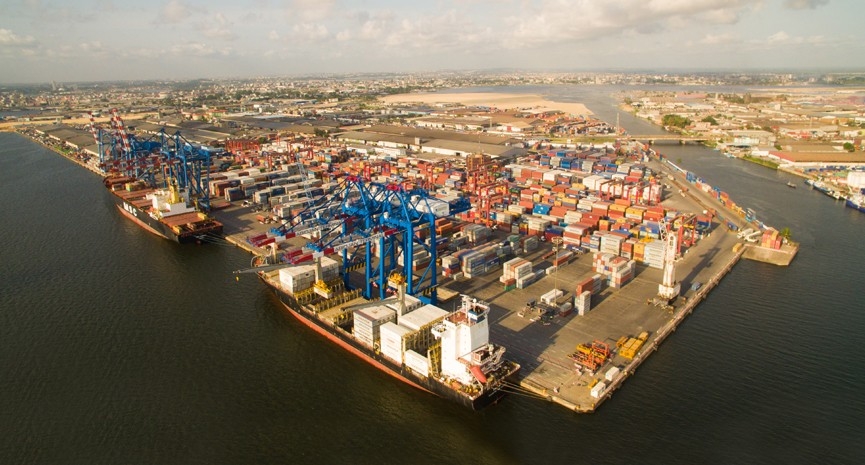

Côte d’Ivoire is accelerating its ambition to become a leading maritime hub in West Africa through a deepening partnership with the Netherlands. A high‑level Dutch economic mission visited Abidjan and San Pedro in April 2026 to advance cooperation on port infrastructure, coastal protection and related logistics systems. The collaboration builds on a 2023 agreement between Invest International and the Ivorian government, backed by €300 million in funding.
Key projects include expanding the port of San Pedro, which handles much of the country’s agricultural and mineral exports, as well as coastal protection works to combat erosion, lagoon transport systems to ease urban congestion and sanitation improvements to support public health. Officials say the initiative aligns with Côte d’Ivoire’s National Development Plan for 2026–2030 and aims to transform the economy through improved trade connectivity.
From an economic perspective, the investment addresses critical infrastructure gaps. West African ports are often congested, under‑capitalised and vulnerable to climate risks. By modernising San Pedro and enhancing interconnectivity with other transport modes, Côte d’Ivoire can reduce logistics costs for exporters and importers, shorten delivery times and attract more trans‑shipment business. The lagoon transport component also promises to ease pressure on Abidjan’s road network, lowering vehicle emissions and commuting delays.
Two new strategic studies submitted during the mission focus on port interconnectivity and sustainability. These assessments will guide future investments, ensuring that expansion does not come at the expense of environmental standards or long‑term operational efficiency. The Dutch government brings deep expertise in water management and port engineering, while Invest International provides blended finance that combines public and private capital.
The partnership is also a regional signal. As competition among West African ports intensifies, Côte d’Ivoire’s proactive approach to upgrading infrastructure could help it capture a larger share of transit trade from landlocked neighbours such as Burkina Faso, Mali and Niger. Improved logistics would support the broader agenda of regional integration under the Economic Community of West African States. For investors, the presence of a committed European partner reduces political risk and offers co‑financing opportunities.