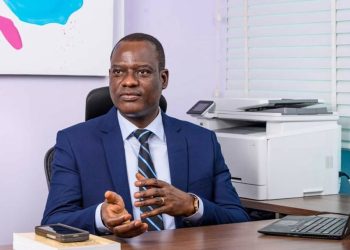




The Labour Party (LP) has officially commended the Independent National Electoral Commission (INEC) for extending an invitation to Senator Nenadi Usman, the party’s Interim National Chairman, to participate in the commission’s first quarterly consultative meeting with political leaders in Abuja. This move is being hailed as the definitive end to a protracted leadership crisis that has shadowed the party’s operations. For the Nigerian economy, the stabilization of the Labour Party—the nation’s primary third-force political entity is crucial for maintaining a balanced democratic ecosystem, which serves as a prerequisite for political stability and long-term investor confidence.
The economic consequence of political party instability often manifests as policy uncertainty and increased sovereign risk. In Nigeria, the Labour Party represents a significant portion of the urban workforce and the youth demographic; therefore, internal cohesion within the party is essential for constructive legislative engagement. By according full legitimacy to the Senator Usman-led interim committee, INEC is facilitating a more predictable political environment. This transition from “crisis mode” to “operational stability” allows the party to focus on policy advocacy, which can influence national debates on labor productivity, minimum wage structures, and fiscal responsibility—key drivers of macroeconomic health.
Analytically, INEC’s invitation is a direct compliance with the Federal High Court judgment delivered on January 21, 2026. By recognizing Senator Nenadi Usman and Senator Darlington Nwokocha as the Interim National Chairman and Secretary, respectively, the commission is upholding the Rule of Law, a fundamental metric used by global credit rating agencies to assess Nigeria’s institutional strength. The statement by Ken Eluma Asogwa, Senior Special Adviser to Usman, noted that while INEC had already updated its official portal, this formal invitation to the quarterly meeting provides the final layer of executive legitimacy needed for the party to engage with international democratic partners and financial stakeholders.
The impact on the Nigerian “Renewed Hope” democratic agenda is significant under the new leadership of INEC Chairman, Prof. Joash Amupitan. The Labour Party’s endorsement of Amupitan as a “round peg in a round hole” suggests a burgeoning trust between the opposition and the electoral umpire. For the business community, this synergy is vital; a credible and legally compliant INEC reduces the likelihood of post-election litigations that often paralyze governance and stall capital projects. As the Labour Party re-enters the formal consultative fold, the focus shifts toward “internal cohesion,” which is necessary for the party to contribute meaningfully to the National Assembly’s deliberations on the 2026/2027 fiscal frameworks.
Furthermore, the resolution of this “protracted and torturous” crisis marks a maturation of Nigeria’s multi-party system. The Labour Party’s gratitude to its supporters and the media underscores the role of public and institutional pressure in resolving internal political disputes. With the leadership question “firmly laid to rest,” the party is now positioned to act as a more effective watchdog of government spending and economic policy. This competitive political tension is healthy for the economy, as it encourages transparency in the management of the federation’s resources and ensures that the voices of the productive labor sector are represented in the corridors of power.
The long-term economic outlook for Nigeria hinges on the resilience of its democratic institutions to navigate internal shocks. As the Labour Party moves forward with its new interim leadership, the challenge remains to consolidate its structures ahead of future electoral cycles. For investors, the takeaway is a demonstration of judicial and regulatory consistency in the Nigerian political space. By adhering to the 2026 court ruling, INEC has signaled that the era of administrative discretion over political leadership is being replaced by a strict adherence to judicial findings a move that significantly lowers the “political risk premium” for those looking to invest in Africa’s largest economy.