
A new report has revealed that Africa’s oil and gas industry has done little to improve the lives of ordinary people despite decades of fossil fuel extraction across the continent.
The report stated that while oil-rich African nations continue to produce huge amounts of crude oil and gas, most of the profits end up in the hands of multinational companies and a small group of political elites, leaving local communities in poverty and environmental destruction.
The study, titled “Pipe Dreams: How Oil and Gas Fail to Deliver Economic Development in Africa,”was jointly released by Oil Change International and Power Shift Africa on May 8 in Nairobi, Kenya.
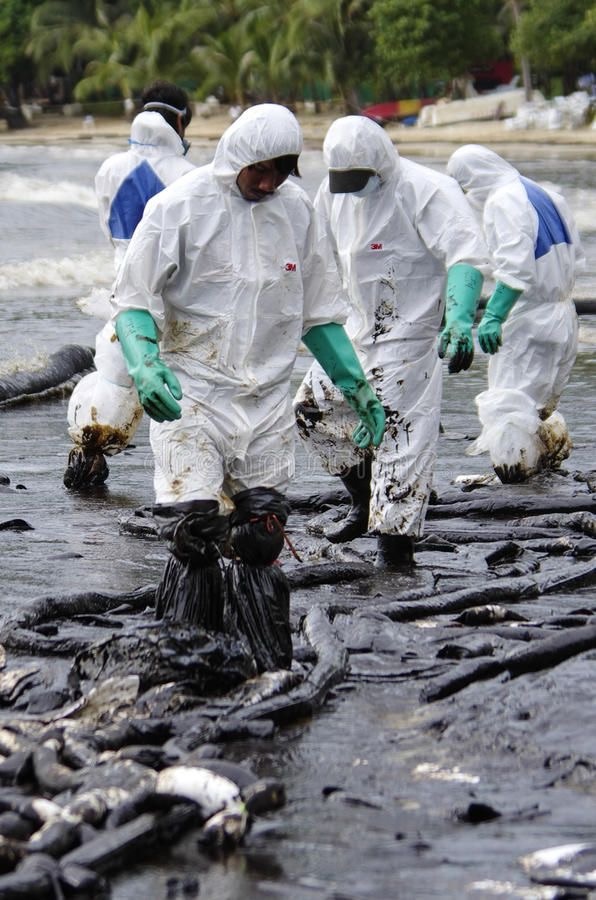
According to the report, fossil fuel extraction has damaged farming and fishing activities in many African communities through oil spills, pollution and environmental degradation. It added that the industry has failed to create enough jobs or stable economic growth for many producing countries.
The report examined 13 oil- and gas-producing African nations and concluded that decades of drilling have not translated into real development for citizens.
Speaking on the findings, Africa Director at Oil Change International, Thuli Makama, said oil and gas projects have mainly benefited powerful corporations and wealthy individuals instead of local communities.
She explained that many people living in oil-producing areas continue to suffer from pollution, rising living costs and the loss of their traditional means of livelihood.
The report comes ahead of the Africa-France Summit expected to gather more than 30 African leaders, business executives and investors to discuss economic opportunities on the continent.
Researchers behind the report warned that countries currently expanding oil and gas projects may face major financial risks in the future. Nations such as Uganda, Mozambique, Namibia, Tanzania, the Democratic Republic of the Congo and Côte d’Ivoire were listed among countries vulnerable to debt and stranded assets if global demand for fossil fuels falls.
Executive Director of Power Shift Africa, Mohamed Adow, argued that Africa is being misled into believing fossil fuels are the only path to prosperity.
According to him, Africa’s real economic future lies in renewable energy such as solar, wind and hydropower, which can create more jobs and reduce dependence on imported fuel.
The report estimated that renewable energy investments could create up to 14 million jobs across Africa by 2030, far more than the oil and gas sector currently provides.
It also noted that renewable energy could help African countries generate electricity locally, strengthen industries and improve energy access for millions of people who still lack reliable power supply.
Another major concern raised in the report is Africa’s dependence on exporting crude oil while importing expensive refined products such as petrol and diesel. The report described this system as unfair and economically damaging to African countries.
In Nigeria, Equatorial Guinea and Mozambique, for example, large quantities of gas are exported abroad even while millions of citizens struggle with poor electricity supply and high energy costs.
However, some African governments believe fossil fuels still have a role to play in economic development.
Onuoha Magnus Chidi, an adviser to Nigeria’s regional development minister, said Nigeria is not completely abandoning fossil fuels but is instead reducing dependence gradually.
He explained that the transition to cleaner energy must be done carefully and fairly to avoid economic hardship.
The debate over Africa’s energy future continues as countries balance economic growth, environmental protection and the global push for cleaner energy solutions.