



The Christian Blind Mission (CBM), an international non-governmental organisation dedicated to preventing avoidable blindness worldwide, has allocated €15 million to enhance eye care services in 14 Nigerian states. This significant investment is part of a new programme designed to address the severe and persistent challenges associated with visual impairment and blindness in Nigeria’s population.
The funding and strategy were announced by Dr Rainer Brockhaus, Chief Executive Officer of CBM, at the official launch of the CBM SightQuest Nigeria Programme in Abuja. The programme carries the theme A Journey Towards Inclusive Eye Health and is scheduled to operate from January 2026 through 2035. It covers a range of states including Bauchi, Imo, Jigawa, Plateau, and Oyo, along with nine others across the country.
CBM’s approach is analytical and long-term, focusing on measurable improvements in eye health outcomes. Its strategy encompasses both preventive and corrective eye care services. The initiative places particular emphasis on expanding access to quality cataract surgery and refractive error services, crucial interventions given the high burden of avoidable blindness in Nigeria. CBM expects that the programme will yield clear results and substantially reduce the prevalence of visual impairment in the target states.
Dr Brockhaus underscored the scale of the public health challenge. “Avoidable blindness and refractive errors are two critical public health challenges affecting millions of Nigerians,” he said. He added that the programme is structured to “deliver measurable results that can reduce the burden of blindness in target states.” Additionally, the initiative seeks a 30 percent increase in effective Cataract Surgical Coverage in ten states by 2030.
The launch was attended by senior government officials. The President of the Senate, Senator Godswill Akpabio, framed the programme as more than a health intervention, pointing to systemic gaps that have historically limited Nigeria’s capacity to address preventable blindness. The presence of high-level political figures signals a degree of government recognition and support for the initiative.
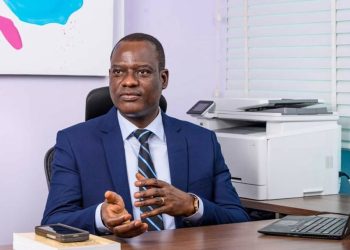
The Federal Government’s role is reflected in complementary commitments. Dr Iziaq Salako, the Minister of State for Health and Social Welfare, reiterated the government’s resolve to reduce preventable vision loss. He highlighted plans to provide free cataract surgeries for 25,000 Nigerians by the end of 2026, an ambitious target that aligns with broader service expansion goals. Meanwhile, CBM’s Country Director, Samuel Omoi, called on government agencies, professional associations, and development partners to support the programme and help achieve its vision of eliminating avoidable blindness in the designated states.
Beyond service provision, the federal government announced plans to build an eye care hospital in partnership with Lions Club International, with a budget of N3.5 billion. This facility will include services for diabetes and cancer research, indicating an integrated approach to health infrastructure that extends beyond eye care alone.
Recent national data underscore the urgency of these efforts: an estimated 1.13 million adults aged 40 and above are blind in Nigeria, with millions more experiencing moderate or severe visual impairment. These figures reflect significant unmet need, particularly in regions like the North-West geopolitical zone. Expanded access to quality eye care services, such as cataract surgery and refractive error treatment, is essential to reducing preventable blindness and improving productivity and social inclusion nationwide.