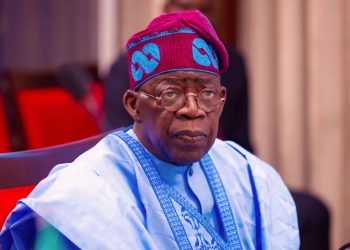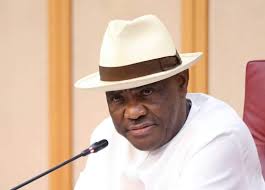

The Minister of the Federal Capital Territory (FCT), Nyesom Wike, has taken a swipe at opposition figures following the landslide victory of the All Progressives Congress (APC) in the just-concluded FCT Area Council elections. Speaking at the Presidential Villa on Sunday, February 22, 2026, after a briefing with President Bola Tinubu, Wike asserted that the election results served as a “reality check” for politicians who engage in performative populism to mislead the electorate.
The political consequence of these election results is a significant shift in the FCT’s power balance. The APC secured five out of the six Area Councils, leaving the Peoples Democratic Party (PDP) with only one. For Wike, this outcome validates the current administration’s urban renewal and security policies in the capital. By securing the majority of the councils, the ruling party has effectively neutralized the opposition’s narrative that the residents of Abuja were dissatisfied with the “Renewed Hope” agenda.
Analytically, Wike’s critique focused on what he termed the “hypocrisy of roadside campaigns.” He mocked politicians who “buy corn and groundnuts” from street vendors during election cycles to appear relatable, describing them as “emergency democrats” who only engage with the public for optics. Wike argued that the residents of the FCT have grown beyond such deceptive tactics, choosing instead to vote based on tangible infrastructure development and governance rather than staged social media moments.
The impact on “Voter Psychology and Political Strategy” is a vital dimension of Wike’s reaction. He noted that the electorate demonstrated they could not be swayed by those who “choose not to see anything good in our country.” This rhetoric signals a hardening stance by the FCT leadership against critics, suggesting that the APC intends to use its new municipal dominance to further consolidate its hold on the nation’s capital. Wike’s comments also serve to sharpen the divide between “performing” incumbents and an opposition he portrays as disconnected from reality.
Furthermore, the Minister’s visit to the Presidential Villa highlights the high stakes the Presidency placed on the FCT polls. As a strategic territory that hosts the seat of power, the APC’s near-sweep is being framed as a national vote of confidence. Wike’s “post-game” analysis suggests that the administration will now move more aggressively on its development plans, emboldened by a mandate that spans nearly all corners of the Federal Capital Territory.
The long-term outlook for the opposition in Abuja appears challenging if they cannot move beyond the “populist” strategies Wike ridiculed. With the APC now controlling five of the six local administrations, the ruling party has established a formidable grassroots network ahead of the 2027 general elections. For now, Wike remains defiant, insisting that the “hypocrisy” of his political rivals has been permanently exposed by the ballot box.