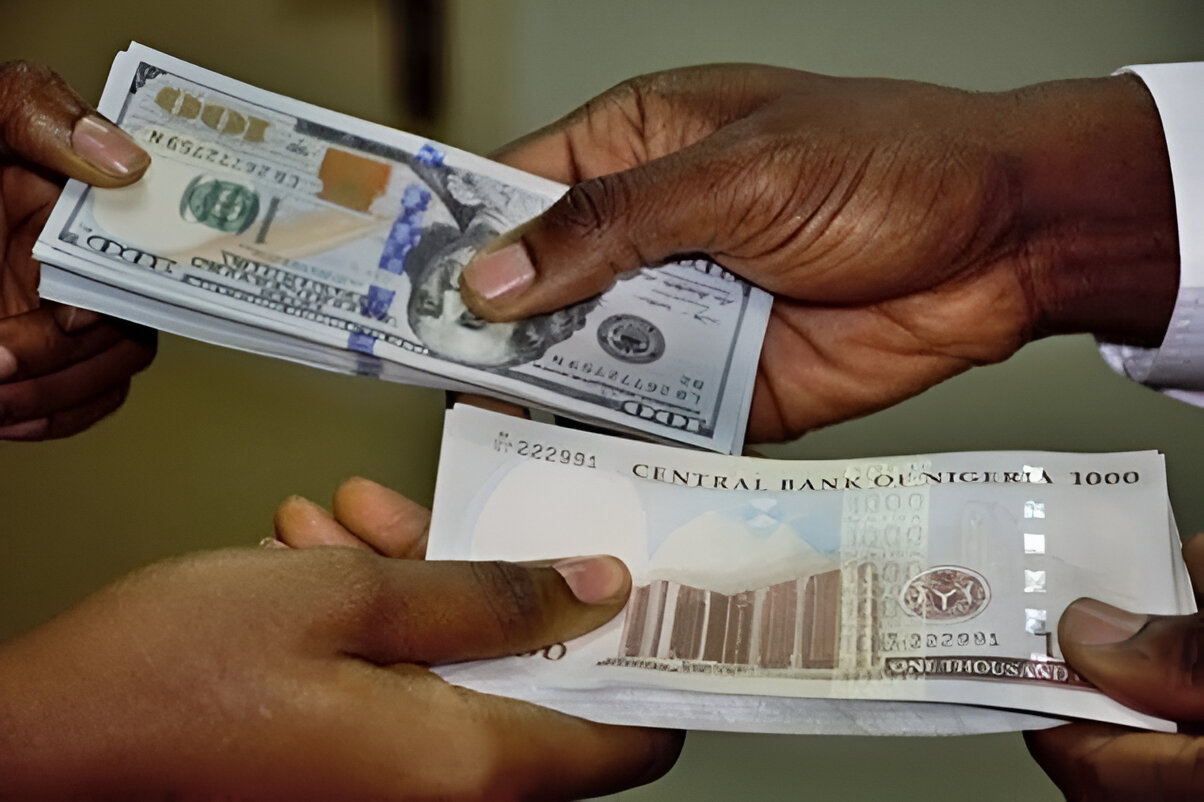

The Central Bank of Nigeria (CBN) has identified the democratization of foreign exchange (forex) access as the critical lever for unlocking Nigeria’s non-oil export potential and deepening regional economic integration. Tiku Allu, Assistant Director at the Trade and Exchange Department, emphasized that expanding fair access to trade finance is no longer just a regulatory goal but a macroeconomic necessity. For the Nigerian economy, this strategic pivot is essential to reducing the country’s historical over-reliance on crude oil receipts and insulating the Naira from external volatility by diversifying foreign currency inflows through the African Continental Free Trade Area (AfCFTA).
The economic significance of this policy shift lies in its direct impact on Small and Medium Enterprises (SMEs), which have traditionally been crowded out of the official forex window by larger conglomerates. By streamlining access to forex for smaller exporters, the CBN aims to lower the barrier to entry for cross-border trade, thereby stimulating activity in the manufacturing and agricultural value chains. This aligns with the broader objectives of the “Race to $200 Billion in FX Repatriation” (RT200) program, which targets $200 billion in non-oil export proceeds over the next three to five years. A more inclusive forex regime would allow these smaller players to import necessary machinery and raw materials at competitive rates, reducing their cost of production and making Nigerian goods more price-competitive in markets like Ghana, Kenya, and South Africa.
Furthermore, this inclusive approach is expected to bolster the adoption of the Pan-African Payment and Settlement System (PAPSS). PAPSS allows Nigerian traders to settle transactions in Naira while their counterparts receive funds in their local currency, with the net settlement handled by central banks. However, the system’s efficacy relies heavily on the liquidity of local currency markets and the ability of the CBN to settle net deficits. By ensuring that a broader spectrum of businesses can access the forex liquidity required for these back-end settlements, the CBN is effectively greasing the wheels of this continental payment rail, reducing the transaction friction and dollar-dependency that has historically stifled intra-African trade.
The move also carries significant fiscal implications. Enhanced regional trade translates to higher corporate earnings for Nigerian exporters, which in turn broadens the non-oil tax base for the federal government. As companies like Dangote Industries—recently strengthened by the appointment of former CBN Director Dr. Mahmud Hassan as Group Chief Economist—expand their continental footprint, the seamless flow of forex becomes paramount for repatriating profits and sustaining operations across multiple jurisdictions. A more fluid forex market encourages these multinationals to retain their headquarters and primary listings in Nigeria, securing capital gains taxes and high-value employment within the domestic economy.
However, the success of this initiative hinges on the transparency and stability of the forex market’s operational guidelines. The recent reopening of the official window to Bureau De Change (BDC) operators and the narrowing gap between official and parallel market rates are positive early indicators. Yet, consistent enforcement is required to prevent arbitrage and ensure that the “inclusive” access does not revert to a system of patronage. If effectively implemented, this policy could mark a definitive turning point where Nigeria shifts from being a passive consumer of global goods to an active, industrial hub for the African continent.