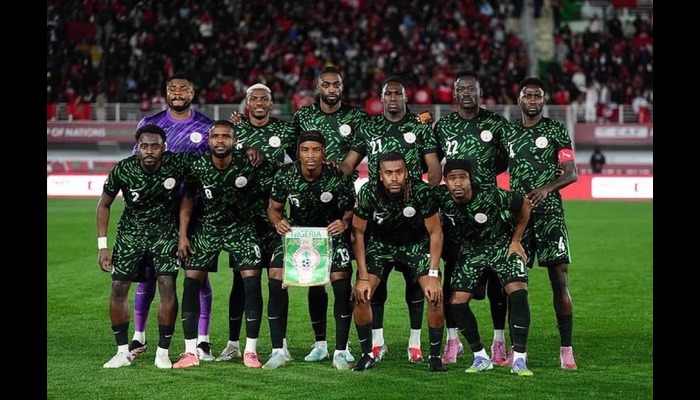

Nigeria’s sporting community is in a state of high tension today, February 16, 2026, as FIFA prepares to deliver a verdict that could either end or revive the Super Eagles’ journey to the 2026 World Cup. The ruling centers on a petition filed by the Nigeria Football Federation (NFF) alleging that the Democratic Republic of Congo (DR Congo) fielded six ineligible players during their decisive playoff final last November. For the Nigerian economy, a favorable ruling is more than just a sporting victory; it is a potential multibillion-naira stimulus for the hospitality, media, and aviation sectors.
The economic consequence of a “World Cup lifeline” cannot be overstated. Should Nigeria be reinstated into the intercontinental playoffs, it would trigger an immediate surge in advertising spend, kit sales, and viewing center revenues. Participation in the World Cup in the United States, Canada, and Mexico is estimated to be worth tens of millions of dollars in FIFA grants and sponsorship deals, providing much-needed foreign exchange inflows for the NFF. Conversely, a dismissal of the petition would confirm a massive “opportunity cost” for Nigeria’s sport-driven consumer economy, which thrives on the Super Eagles’ global presence.
Analytically, the NFF’s case rests on technical violations of FIFA’s nationality switch regulations. Dr. Mohammed Sanusi, NFF General Secretary, remains optimistic that the evidence of “irregular switches” by the DR Congo players is ironclad. From a legal perspective, this case highlights the increasing professionalization and contentiousness—of international football administration. While DR Congo has dismissed the claims as the actions of “bad losers,” the NFF’s insistence on “procedural integrity” mirrors the broader Nigerian push for transparency in national institutions.
The impact on “National Sentiment and Brand Nigeria” is a vital dimension of this FIFA decision. Across social media, hashtags like #SuperEagles have dominated the digital space, with fans oscillating between prayers for a “miracle” and criticism of the initial qualification campaign. A successful petition would serve as a significant national morale booster, unifying a country currently navigating complex economic reforms. For global brands, the Super Eagles are the primary vehicle for reaching the Nigerian mass market; their absence from the world stage would lead to a significant “visibility gap” for Nigerian talent and commerce.
Furthermore, the outcome of this ruling will dictate the NFF’s strategic planning for the next four years. If the petition is upheld, Nigeria would face a high-stakes playoff against the winner of Jamaica vs. New Caledonia. This would require an immediate “emergency mobilization” of funds and technical resources to prepare the team. If the protest is dismissed, the NFF may yet take the case to the Court of Arbitration for Sport (CAS), extending the legal battle and leaving the nation’s footballing future in a state of prolonged uncertainty.
The long-term economic outlook for Nigerian football depends on whether the country can move beyond “petition-based qualification” toward consistent on-field excellence. Regardless of today’s verdict, the 2026 cycle has exposed the vulnerabilities in the Super Eagles’ administrative and technical setup. As Nigeria eyes a $1 trillion economy, its “sports industry” must be managed as a high-value economic asset. Today’s FIFA decision will determine if the Super Eagles get one last chance to showcase the “Nigerian Spirit” on the world’s biggest stage or if the nation must begin the painful process of rebuilding for 2030.