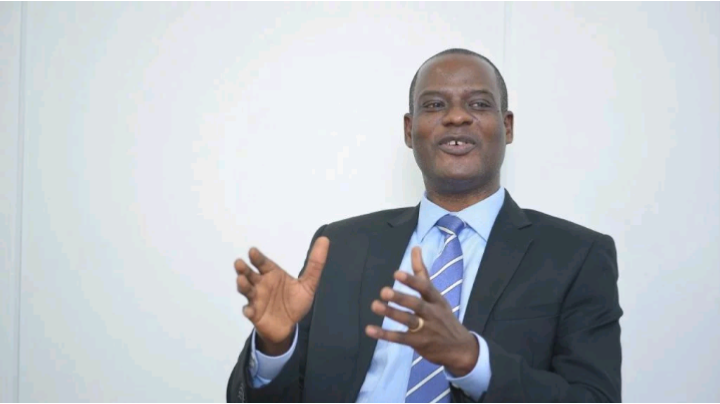

Nigeria’s National Economic Council (NEC) has decided to formally engage the Presidential Fiscal Policy and Tax Reforms Committee, chaired by Taiwo Oyedele, to clarify and coordinate the rollout of the newly enacted tax regime after concerns from stakeholders about ambiguous provisions and implementation challenges.
At a virtual meeting of NEC, the country’s top advisory body on economic matters, a statement issued by Stanley Nkwocha, Senior Special Assistant to the President on Media and Communications (Office of the Vice President), confirmed that the council will interface with the tax reforms committee to discuss the design, objectives, and current status of the tax changes recently signed into law.
The move comes amid heightened debate over Nigeria’s tax overhaul, which has drawn scrutiny from professional services firms such as KPMG for potential “gaps, risks, and ambiguities” in the framework. NEC’s commitment to engagement underscores the need for clearer understanding and coordinated action by federal and state authorities before the reforms are fully implemented nationwide.
Understanding the NEC’s Objective
The NEC’s directive is aimed at ensuring that the reform process is inclusive and that subnational governments, particularly state revenue services, are fully prepared to play their roles in applying the new tax laws. Governors, who are statutory members of NEC, were emphasised as key partners in the successful rollout of the framework.
During the meeting, Oyedele briefed NEC members on the rationale behind the reforms, which he said were designed to correct long-standing weaknesses in Nigeria’s tax system, such as fragmentation, complexity, and regressivity that hinder economic growth and fairness. The presentation included an overview of priorities, obstacles to implementation, and opportunities for a modernised tax architecture.
Among the committee’s recommendations was a call for states to adopt a unified Tax Harmonisation Law to align local tax practices with the national framework. It also proposed a presumptive tax regime for the informal sector, designed to widen the tax base while simplifying compliance for small and micro businesses.
The committee notably stressed the need for enhanced resourcing of State Internal Revenue Services and for the approval of a National Fiscal Policy to support effective tax administration across the federation.
Council’s Response and Next Steps
In response, NEC “directed the committee to develop a more comprehensive and detailed brief” for discussion at its upcoming conference in February. This directive is intended to help states better understand and coordinate the implementation of the tax laws, ensuring a smoother transition when the regime takes full effect.
The forthcoming NEC conference is expected to serve as a platform for federal and state governments to resolve outstanding issues, align on practical steps, and build consensus on how the reforms can be implemented consistently.
Why This Matters
NEC’s move reflects wider concern among investors, advisers, and analysts regarding how the new tax framework will be interpreted, applied, and enforced. Clear, consistent guidelines are seen as essential for shaping taxpayer behaviour, maintaining investor confidence, and sustaining economic activity, especially as Nigeria seeks to boost investment and growth.
The engagement also signals the government’s recognition that state-level cooperation is critical, given that states play a significant role in tax collection and enforcement under Nigeria’s federal system.
Economists say clarity and cohesion in the tax reforms could significantly influence revenue mobilisation and investor confidence. By reducing complexity and aligning federal and state tax practices, the reforms aim to widen the tax base, improve compliance, and support Nigeria’s economic growth, even as concerns persist about administrative readiness and potential short-term disruptions.