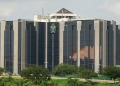
The percentage of non-performing loans (NPLs) in Nigeria’s banking sector has climbed to an estimated 7.00 percent, exceeding the regulatory prudential limit of 5.00 percent. This development, disclosed in a recent 2026 Macroeconomic Outlook by the country’s central bank, is attributed to the withdrawal of regulatory forbearance measures originally introduced to cushion banks during the COVID-19 pandemic.
For years, these forbearance measures allowed banks to restructure loans and temporarily obscure the true extent of asset deterioration caused by economic challenges. With this regulatory shield now removed, the sector is confronting the unvarnished reality of its loan books. The apex bank has warned that this rising NPL profile could weaken lenders’ balance sheets, impair asset quality, and potentially trigger “systemic contagion” if not aggressively managed.
The spike in bad loans is not merely a regulatory adjustment; it reflects the severe economic pressure facing Nigerian households and businesses. Recent economic data paints a picture of a borrower base squeezed from all sides, making debt repayment increasingly difficult.
Nigeria is currently experiencing a “tale of two economies” where structural supply-side issues have driven food inflation to punishing levels. The cost of preparing staple meals like Jollof rice remains stubbornly high, with rice prices rising by over 80 percent in some regions. For the average borrower, a larger portion of income is now diverted to basic survival—food and sustenance—leaving little room for loan repayments.
The cost of living crisis extends beyond food. Transport fares have more than doubled following petrol price hikes, and telecom tariffs have surged by 50 percent. For Small and Medium Enterprises (SMEs), which form a significant portion of bank loan portfolios, this situation is dire. Operating costs have skyrocketed due to energy and logistics expenses, while consumer purchasing power has collapsed. An SME spending twice as much to transport goods and facing customers who can barely afford necessities is a prime candidate for loan default.
The macroeconomic outlook stresses that a further worsening of the NPL ratio could erode capital buffers and reduce the sector’s ability to finance the economy. Specific risks identified include foreign exchange illiquidity and the potential for “concentration risk,” where banks become too exposed to a few large sectors or borrowers.
However, the report also offers a counter-narrative of resilience. Despite the breach in NPL limits, the banking sector’s Financial Soundness Indicators remain largely robust. The industry’s Liquidity Ratio stands at a healthy 65.00 percent, well above the 30.00 percent regulatory minimum and a significant improvement from the 48.94 percent recorded in December 2024. Similarly, the Capital Adequacy Ratio (CAR) is at 11.60 percent, exceeding the 10.00 percent threshold. This suggests that while loan quality is deteriorating, banks still hold enough capital to absorb immediate shocks.
To prevent a crisis, the regulator is prioritizing the strengthening of financial sector resilience. This includes ongoing recapitalization efforts aimed at building a banking system capable of supporting a larger economy. Strictly monitored early-warning systems have also been promised to detect distress before it spreads.
For now, the sector faces a delicate balancing act: cleaning up loan books and provisioning for losses in a high-inflation environment, while trying to maintain the credit flow necessary to restart economic growth.