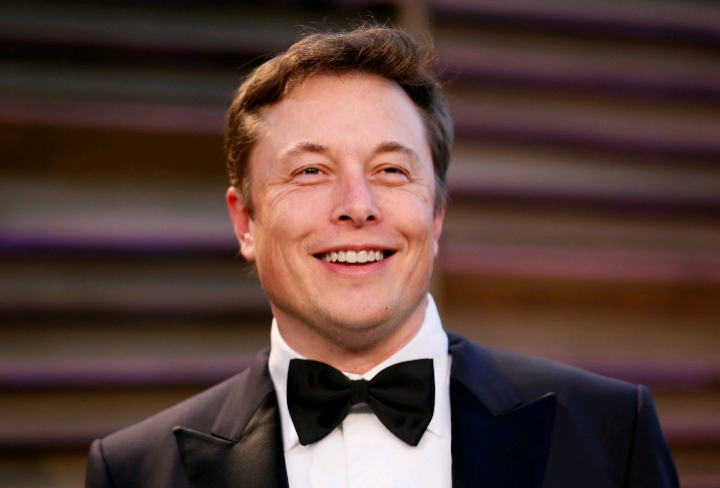

On December 15, 2025, Elon Musk reached an extraordinary financial milestone, becoming the first person in history to own a net worth exceeding $600 billion, according to Forbes. This landmark achievement reflects the soaring valuations of his companies, especially SpaceX, and highlights how tech-driven markets can dramatically reshape global wealth distribution.
Musk’s rise to unprecedented wealth didn’t happen overnight. Over the past decade, he has built, led, and invested in some of the world’s most influential technology ventures. From electric vehicles and rockets to artificial intelligence, the scope of his businesses has expanded rapidly and so has his personal fortune.
At the core of this wealth surge is SpaceX, Musk’s private aerospace company. Recent investment rounds and SpaceX’s estimated valuation near $800 billion gave his ownership stake a massive boost, contributing a majority of the gains that pushed his net worth past the historic $600 billion mark.
Tesla, the electric vehicle and renewable energy leader he has headed for years, has also played a major role. With shares continuing to perform strongly and investor confidence high in Musk’s vision for autonomous technology, Tesla remains a significant contributor to his financial portfolio.
Despite the immense size of his fortune, Musk’s path has been filled with dramatic ups and downs. Not long ago, his net worth fluctuated significantly with stock market changes, and at times he even briefly lost the title of the world’s richest individual to other tech magnates before reclaiming it.
A Forbes estimate suggests Musk’s overall net worth could be closer to about $677 billion, with much of that increase tied to future expectations around SpaceX’s IPO and continued gains in his other ventures.
Musk himself has often framed his work around ambitious goals from advancing life on Mars to shaping the future of artificial intelligence— ideas that have captured investor enthusiasm and helped elevate his companies’ market valuations.
Economically, this milestone isn’t just personal: the size of Musk’s wealth now surpasses the annual economic output of many countries, showing how tech sector valuations can dwarf traditional economic indicators, influence investment trends, and affect wealth concentration worldwide.
Throughout this rise, some critics have raised questions about the broader implications of such concentrated wealth, including debates over wealth inequality, tax policy, and how the economic system should balance innovation incentives with societal well-being.
As Musk’s empire continues to grow and discussions around SpaceX’s public listing evolve, the world will be watching whether he might one day become the first-ever trillionaire, further redefining what’s possible in global wealth rankings.