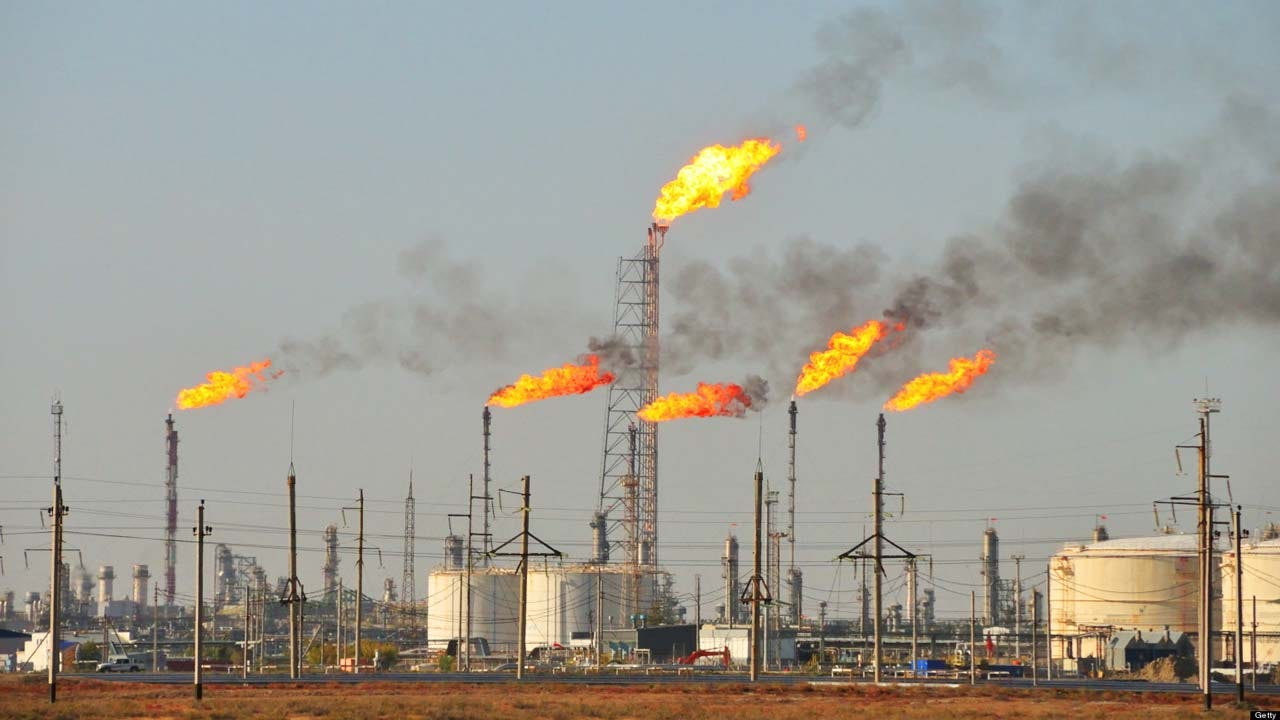

In a significant move to address environmental concerns and unlock economic value, Nigeria has granted permits to 28 companies to capture and commercialize natural gas that is currently being flared by the oil industry. This initiative marks a crucial step in the West African nation’s broader strategy to reduce carbon emissions while generating revenue from a resource that has historically been wasted.
Gbenga Komolafe, head of the Nigerian Upstream Petroleum Regulatory Commission (NUPRC), announced the development at an event in Abuja. He revealed that the commission received a total of 42 bids targeting 49 flare sites located across the oil-rich Niger Delta region. Of these, 28 firms successfully met the criteria to receive permits, while the remaining 14 candidates are still working to satisfy the necessary requirements.
The scope of the project is substantial. Komolafe estimates that between 250 and 300 million standard cubic feet of gas will be captured and commercialized daily under this program. This effort is not merely about resource recovery; it aligns with Nigeria’s ambitious climate goal of achieving net-zero emissions by 2060. The regulatory body projects that the initiative will eliminate approximately six million tons of carbon dioxide emissions annually, a major contribution to the country’s environmental commitments.
Beyond the environmental benefits, the economic implications are equally promising. The program is expected to attract up to $2 billion in investment into the Nigerian energy sector. Furthermore, it is projected to create over 100,000 jobs, both direct and indirect, providing a much-needed boost to employment. The captured gas also holds the potential to support nearly three gigawatts of electricity generation capacity, addressing another critical infrastructure challenge in the country.
Nigeria, Africa’s largest crude oil producer, sits on vast natural gas reserves—estimated to exceed its oil endowments. However, for decades, associated gas has been routinely burned off during oil extraction due to a lack of commercially viable infrastructure to utilize it. The Nigerian Gas Flare Commercialization Program aims to reverse this trend by offering incentives to the industry to harness this flared gas for productive use.
Recent data highlights the scale of the opportunity. In October alone, Nigeria’s gas output was approximately 221 billion standard cubic feet, with about 7.6 percent of that volume being flared. By transforming this waste into a marketable commodity, the government hopes to foster a more sustainable and profitable energy landscape.