
Britain and the Netherlands have withdrawn a combined 2.2 billion dollars in financial backing for the TotalEnergies-led Mozambique LNG project after independent investigations raised serious concerns about human rights abuses linked to security operations in the country’s insurgency-hit north. The decisions mark a significant shift in European government oversight of large-scale energy financing, even as the long-delayed project prepares to restart.
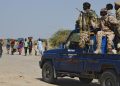
The United Kingdom revoked its 1.15 billion dollar loan and insurance package following a review that concluded project-related risks had increased since support was initially approved in 2020. The assessment examined the impact of the Islamist insurgency in Cabo Delgado, where government forces and private contractors have been accused of torture, extrajudicial killings and other rights violations. Officials said the deterioration in the security environment and the persistence of credible abuse allegations made the financing no longer consistent with UK commitments on responsible investment.
The Dutch government separately confirmed that TotalEnergies had withdrawn its request for 1.1 billion dollars in export credit insurance from the Netherlands. However, a smaller 213 million dollar policy for Dutch marine contractor Van Oord remains active. Both governments commissioned external human rights probes to evaluate whether their support exposed them to complicity risks. The reviews found the allegations against Mozambican security forces to be credible, although they did not establish direct involvement by TotalEnergies.
The Mozambique LNG project, with an estimated cost of 20 billion dollars, is one of Africa’s largest natural gas developments and a centrepiece of Mozambique’s long-term economic strategy. Construction halted in 2021 after a surge in militant attacks forced TotalEnergies to declare force majeure and evacuate staff from the Afungi site. The company lifted the force majeure designation in November and says it is now preparing for a phased restart of activities as the security situation improves.
Despite the withdrawal of European government guarantees, TotalEnergies has downplayed the financial impact. The French major says more than 70 percent of the project’s financing has already been secured and that the remaining needs can be covered through partner equity contributions. The company also maintains that nearly 90 percent of future LNG output has been contracted under long-term agreements, ensuring strong commercial demand once production begins.
The loss of support from the UK and the Netherlands could complicate future risk assessments for international lenders and export credit agencies, many of which are increasingly sensitive to environmental, social and governance requirements. Analysts say the move underscores a broader trend of OECD governments scrutinising fossil fuel projects, particularly those in conflict-affected regions.
For Mozambique, the development presents both financial and political challenges. The government has heavily promoted LNG investments as a pathway to debt relief, job creation and expanded export revenues. Any delay in securing full financing could slow the broader economic benefits expected from the sector. At the same time, the continuing human rights concerns place renewed pressure on Mozambique to reform security operations in Cabo Delgado and improve accountability mechanisms.
Civil society groups argue that the decisions by the UK and the Netherlands highlight the need for stronger oversight of security partnerships tied to extractive industries. They warn that without robust safeguards, communities in conflict zones risk further abuses as governments and companies work to protect high-value assets.
As TotalEnergies moves ahead with plans to resume construction, the project faces a complex landscape shaped by security risks, human rights scrutiny and shifting international financing standards. Whether the withdrawal of two major European backers will prompt other lenders to reconsider their involvement remains an open question, but the episode has already widened the debate over how large-scale energy projects should balance commercial ambitions with ethical responsibilities in fragile states.