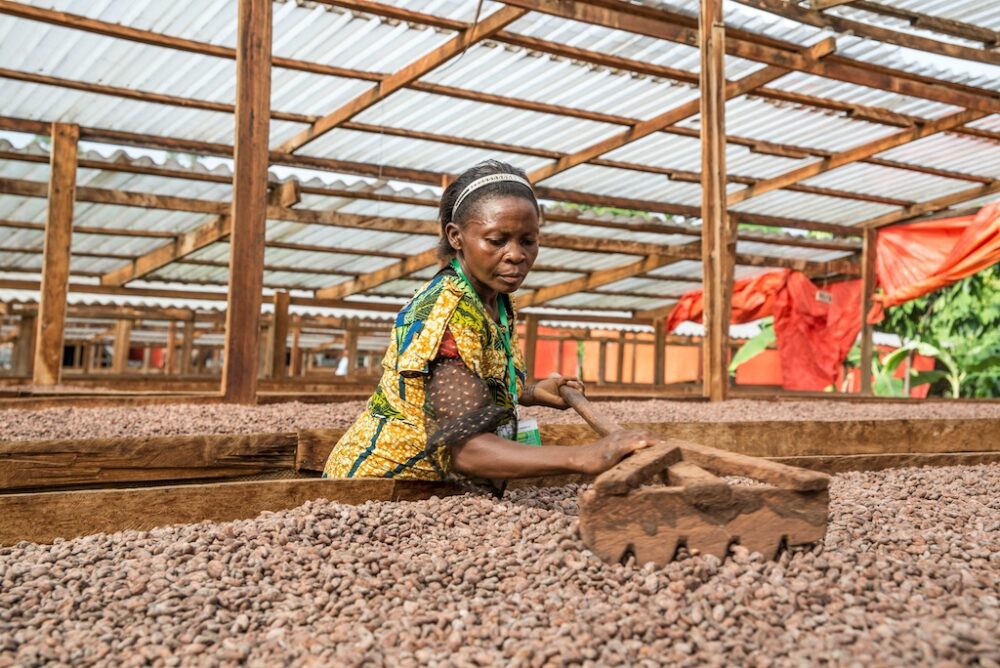

Ivory Coast, the world’s largest cocoa producer, has sold 1.3 million tons of cocoa contracts for the 2025/26 main crop, slightly below the 1.4 million tons sold in the previous season. The modest decline reflects growing concerns over weaker harvests amid structural and environmental challenges affecting the country’s cocoa sector, senior officials at the Coffee and Cocoa Council (CCC) told Reuters.
Officials warned that arrivals at the ports of Abidjan and San Pedro are expected to drop by approximately 30 percent between January and March 2026. Key factors include ageing cocoa farms, chronic underinvestment, the spread of plant diseases, and erratic rainfall patterns, which have collectively reduced productivity. These challenges highlight the vulnerability of Ivory Coast’s cocoa-dependent economy to both domestic management issues and climatic variability.
Despite the anticipated drop in arrivals, the CCC indicated that there is currently no risk of contract defaults, reflecting the resilience of the sector and the disciplined framework governing cocoa marketing in the country. Measures such as pre-financing for farmers and robust contract enforcement mechanisms have historically mitigated the risk of payment failures, ensuring that international buyers retain confidence in Ivory Coast cocoa.
Cross-border smuggling, a longstanding concern for the industry, appears to be easing. Officials reported smaller volumes of cocoa flowing into neighbouring Liberia and Guinea, with only marginal quantities entering the Ivory Coast illegally. The reduction in illicit trade may support market stability and ensure that domestic supplies are accurately accounted for in official statistics.
The CCC also noted that preliminary data for the upcoming intermediate crop indicates a potential decline of 25–30 percent. This shortfall could worsen during the harmattan dry season, which typically exacerbates water stress for cocoa trees and heightens vulnerability to pests and disease. The combined effect of a reduced intermediate crop and challenges in the main crop may place upward pressure on global cocoa prices, as Ivory Coast contributes roughly 40 percent of the world’s supply.
To stabilise the market, the CCC plans several interventions. These include physical stock checks to assess available inventory, restrictions on exporter purchases to prevent hoarding, and a policy to sell all intermediate cocoa exclusively on the spot market rather than forward contracts. Such measures aim to maintain orderly market operations, prevent excessive speculation, and protect both farmers and buyers from sudden price shocks.
Economically, a decline in cocoa output has significant implications for Ivory Coast. Cocoa accounts for a substantial portion of the country’s foreign exchange earnings and provides livelihoods for millions of smallholder farmers. A weaker harvest could reduce export revenue, tighten foreign currency availability, and impact government finances, particularly if budget projections rely on cocoa proceeds.
The situation also underscores the broader structural challenges facing the cocoa sector. Ageing farms and limited reinvestment in modern agricultural practices highlight the need for sustainable intensification strategies, including replanting, adoption of disease-resistant varieties, improved irrigation, and support for mechanisation where feasible. Without such interventions, productivity losses may continue, leaving Ivory Coast increasingly vulnerable to climate shocks and global price fluctuations.
Market observers suggest that the 2025/26 crop cycle will be closely watched by international traders, chocolate manufacturers, and policymakers. Any significant shortfall could influence cocoa futures prices and supply chain planning, particularly as global demand for chocolate products continues to grow.
In response, the CCC has emphasised the importance of disciplined marketing and close monitoring of crop arrivals to mitigate volatility. By combining regulatory oversight with targeted support for farmers, Ivory Coast aims to maintain its position as a reliable supplier while addressing the underlying challenges that threaten long-term production stability.
The coming months will be critical in assessing how effectively the CCC and the government manage these risks, ensuring that both domestic and international stakeholders can navigate a period of constrained supply without major disruptions to the market.