
The National Economic Council (NEC) has approved an additional N130 billion for the rehabilitation of police training institutions across Nigeria, bringing total funding for the project to N230 billion.
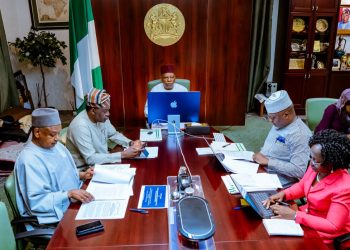
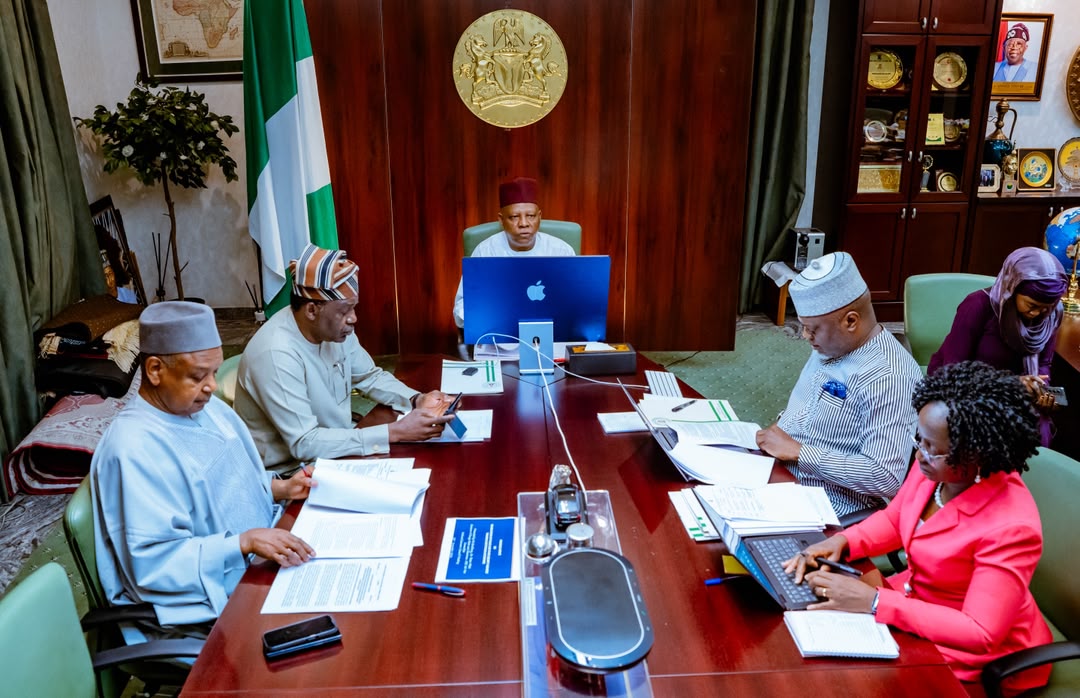
Governor Peter Mbah of Enugu State, who chairs the NEC Ad Hoc Committee on the Rehabilitation of Police Training Institutions, disclosed this while briefing journalists on the outcome of the council’s 162nd meeting held virtually on Monday. The meeting was chaired by Vice President Kashim Shettima.
The latest approval adds to the N100 billion previously approved by the council on December 3, 2025, for the rehabilitation of training institutions belonging to the police and other security agencies. Mbah said rehabilitation work is currently ongoing at 13 locations across the country, with about 30 per cent of the project completed.
He explained that the additional funding would speed up construction and renovation activities, improve training facilities and strengthen the capacity of police institutions to accommodate more recruits. According to him, the intervention is also part of efforts to prepare the institutions for the planned recruitment of 50,000 police personnel.
“It will also improve the country’s security training infrastructure,” Mbah said.
The rehabilitation programme is expected to address infrastructure gaps in police training institutions, which have been identified as part of the challenges affecting the capacity of security agencies to train personnel adequately. The council also discussed the country’s economic performance, with the Minister of Finance and Coordinating Minister of the Economy, Taiwo Oyedele, presenting key economic indicators.
Oyedele said Nigeria’s Gross Domestic Product (GDP) grew by 4.43 per cent in the second quarter of 2026, up from 4.23 per cent recorded in the same period of 2025. He also disclosed that headline inflation declined for the fifth consecutive month to 14.06 per cent in October, its lowest level since September 2020.
Nigeria’s external reserves stood at $54.87 billion as of November 12, 2026, while the country’s trade surplus increased from N10.2 trillion in the first half of 2025 to N20.1 trillion in the corresponding period of 2026. Net revenue distributed through the Federation Account Allocation Committee (FAAC) also increased by 44 per cent, rising from N15.2 trillion in 2024 to N21.9 trillion in 2025.
However, Oyedele noted that improvements in economic indicators had yet to provide sufficient relief to households and businesses, particularly in food prices, electricity costs, access to affordable credit and employment. He said food inflation remained high at 19.13 per cent in October, while elevated lending rates and energy costs continued to weigh on households and businesses.
The council also approved two proposed World Bank supported development programmes covering disaster preparedness and early childhood development. The first is a $350 million Accelerating Resilience through Investment Systems and Engagement (ARISE Nigeria) project designed to strengthen the country’s capacity to respond to floods, droughts, fires and other natural disasters.
The second is a proposed $500 million State Led Early Childhood Development Programme aimed at improving access to healthcare, nutrition, early learning and child protection services across the country.