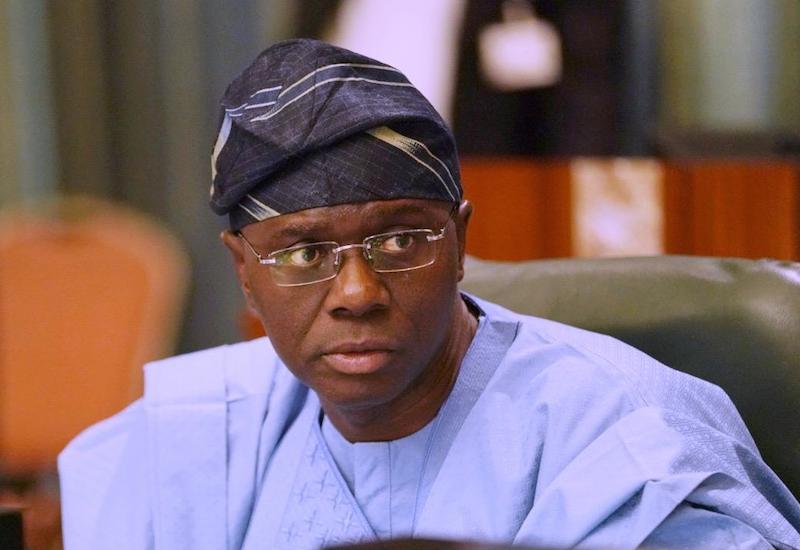

Lagos State is targeting an economy worth between $800 billion and $1 trillion by 2052, as Governor Babajide Sanwo-Olu seeks to attract more investment, expand infrastructure and strengthen the state’s position as a regional economic and financial hub.
Sanwo-Olu restated the ambition on Wednesday, October 28, 2026, at the Lagos Executive Business Breakfast Meeting organised by the Nigerian-British Chamber of Commerce (NBCC) in Lekki, Lagos. The meeting was themed “The Future of Lagos: Business, Investment and Global Competitiveness.”
According to a report published by BusinessDay on October 29, 2026, the governor said the Lagos State Development Plan (LSDP) 2052 provides a long-term framework for sustainable economic growth, investment attraction and improved global competitiveness.
The development blueprint contains 447 initiatives across 21 strategic sectors, organised around four pillars: a thriving economy, a human-centred city, modern infrastructure and effective governance.
The plan aims to position Lagos as Africa’s model megacity by improving the business environment, developing infrastructure, expanding economic opportunities and raising residents’ quality of life.
Sanwo-Olu identified investment in transportation, digital connectivity, electricity regulation, healthcare and education as important to the state’s long-term economic ambitions. He also highlighted port efficiency, industrial development and technological innovation as areas that could support manufacturing, job creation and business expansion.
The governor cited the Blue and Red rail lines, the Lekki Deep Sea Port and the growth of the technology and creative sectors as important components of Lagos’ development strategy. He also pointed to financing and grants for small and medium-sized enterprises, alongside efforts to develop a skilled workforce for emerging industries.
The government has also introduced measures to monitor the implementation of the development plan. BusinessDay reported on July 28, 2026, that Lagos State had launched a digital monitoring platform designed to track progress across the 447 initiatives and improve coordination among ministries, departments and agencies.
The platform is intended to strengthen accountability and ensure that government programmes and spending align with the state’s long-term development priorities.
Another part of Lagos’ ambition is the proposed Lagos International Financial Centre, which is intended to attract international investment and strengthen the state’s role in global financial markets. The Federal Government inaugurated the centre’s National Steering Committee on September 2, 2026, to coordinate efforts towards establishing the institutional and regulatory foundations needed to support the initiative.
However, achieving the 2052 economic target will require sustained investment, effective policy implementation and cooperation between the public and private sectors over the long term. The government will also need to ensure that infrastructure development, business expansion and job creation translate into measurable improvements in residents’ living standards.
The 447 initiatives provide a framework for pursuing the ambition, but the pace of implementation and the ability to sustain investment across successive administrations will be critical to determining whether Lagos achieves its target.