
The Federal Government has challenged the World Bank’s assessment that interest payments consumed 124% of its revenue in the first half of 2026, arguing that the calculation used incomplete revenue figures and included debt obligations serviced on behalf of state governments.
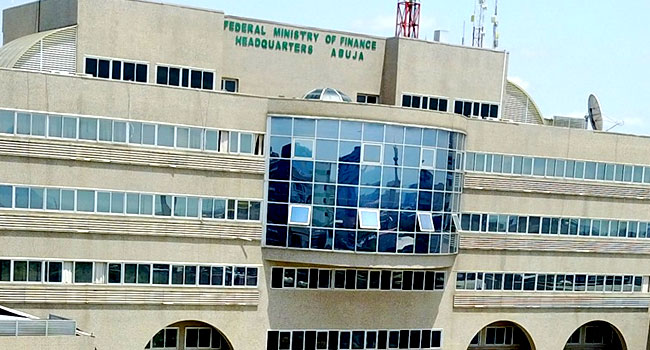
The Federal Ministry of Finance described the figure as misleading in a statement issued on Sunday, October 18, 2026, saying the comparison did not reflect the government’s actual fiscal position.
The dispute followed the World Bank’s October 2026 Nigeria Development Update, titled Beyond the Federal Purse: How Higher Revenues Shaped State Priorities. The report, as reported by The PUNCH on October 12, said the Federal Government spent ₦7.7tn on interest payments between January and June 2026, against revenue of ₦6.2tn.
The figures put interest payments at 124.2% of revenue, meaning the government’s interest bill exceeded its revenue by ₦1.5tn during the six-month period.
However, the Finance Ministry argued that the calculation compared interest obligations covering more than one tier of government with revenue attributed only to the Federal Government.
According to the ministry, the interest figure included external loans to states and other debts serviced by the Federal Government on behalf of other tiers of government.
It also said the revenue figure excluded independent revenue already earned by government agencies and enterprises but not yet remitted to the Treasury.
The ministry added that statutory tax-payment schedules typically result in higher revenue collections in the second half of the year, making a six-month comparison an incomplete measure of the government’s overall fiscal position.
To support its position, the ministry said Federal Government revenue rose by 72%, from ₦3.6tn in the first half of 2025 to ₦6.2tn in the corresponding period of 2026.
Interest payments increased by 38%, from ₦5.6tn to ₦7.7tn over the same period.
It said the interest-to-revenue ratio consequently declined from 156% in the first half of 2025 to 124% in the first half of 2026, while the gap between interest payments and revenue narrowed from ₦2tn to ₦1.5tn.
The ministry attributed the improvement to ongoing fiscal reforms, arguing that revenue was growing faster than interest costs.
It also cited the World Bank’s projection that Nigeria’s full-year debt service, covering both interest and principal repayments, would amount to 46% of revenue in 2026.
The ministry maintained that debt sustainability should be assessed using full-year figures and a consistent comparison of government revenue and debt obligations.
It further said Federal Government borrowing remained within the limits approved by the National Assembly under the 2026 Appropriation Act and the approved borrowing plan. It added that borrowing complied with the Fiscal Responsibility Act 2007 and the Debt Management Office (Establishment) Act 2003.
While welcoming scrutiny of public finances, the ministry urged analysts to compare like with like and consider the context of revenue collection before drawing conclusions about the country’s debt position.
The disagreement centres on how the interest-to-revenue ratio should be calculated. While the ministry disputes the scope and interpretation of the World Bank’s comparison, the reported ₦7.7tn in first-half interest payments remains a significant fiscal pressure because it exceeded the ₦6.2tn in revenue recorded over the same period.