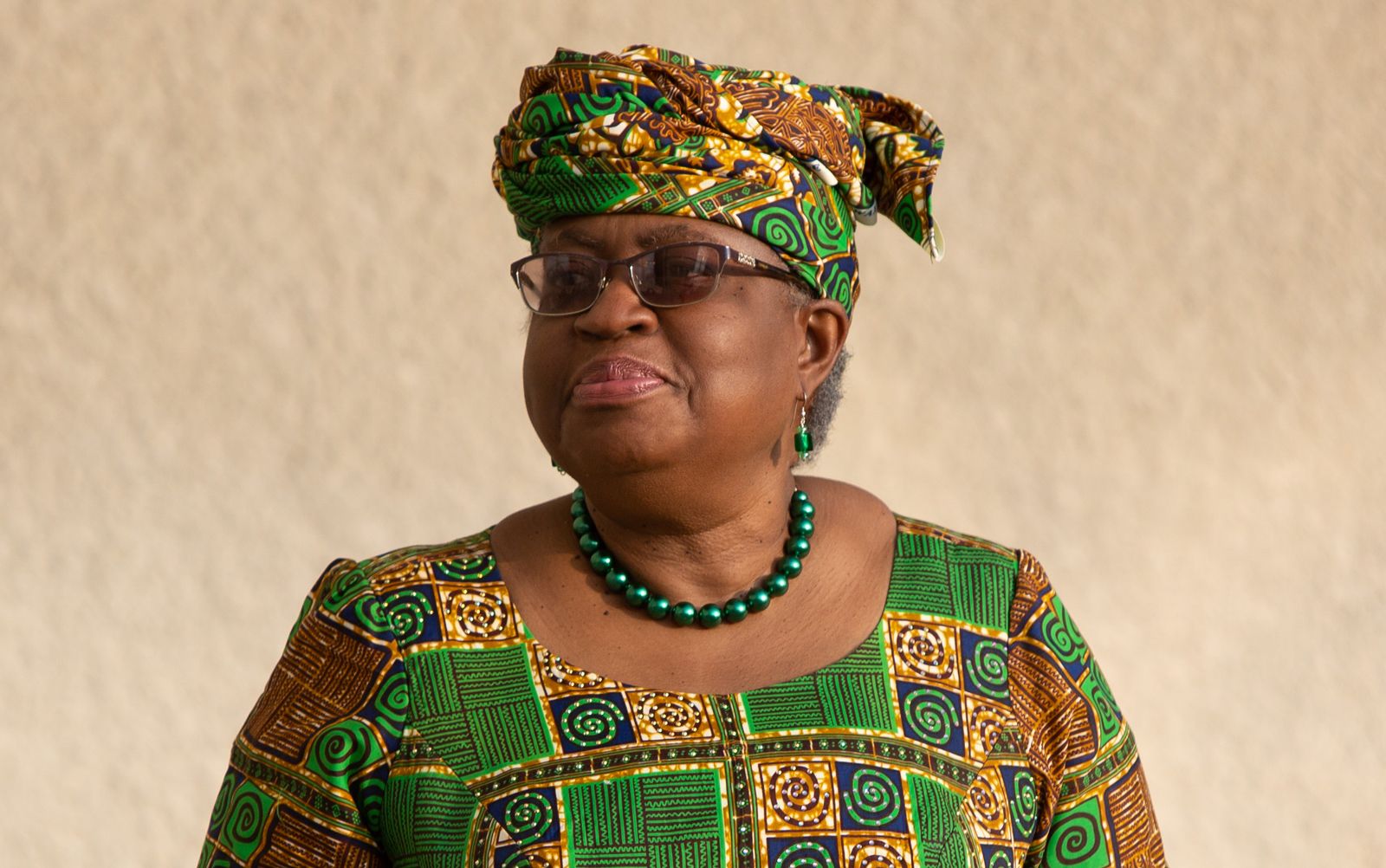

The Director-General of the World Trade Organisation (WTO), Ngozi Okonjo-Iweala, has recounted how an investigation into an alleged $2.4bn fuel subsidy fraud in Nigeria led to threats against her and the kidnapping of her mother in December 2012.
Okonjo-Iweala said the abductors demanded that she resign as finance minister and leave the country in exchange for her mother’s release, putting her under intense pressure to abandon the investigation.
She recounted the experience during an interview with Bloomberg journalist Francine Lacqua on the Leaders with Francine Lacqua programme, published on October 12, 2026.
In a report published on October 17, 2026, The PUNCH quoted the former finance minister as saying the investigation began after her office noticed a sharp increase in claims submitted by fuel importers under Nigeria’s petrol subsidy programme.
At the time, Nigeria depended heavily on imported refined petroleum products because local refineries could not meet domestic demand. The subsidy scheme required the government to reimburse eligible importers so they could sell petrol at regulated prices.
Okonjo-Iweala said she alerted then President Goodluck Jonathan to the suspicious claims and obtained his approval to audit the accounts.
“We found about $2.4 billion worth of fraud. So we refused to pay,” she said, according to The PUNCH.
She said the decision triggered threats against her before her mother, Professor Kamene Okonjo, was abducted from her home in Ogwashi-Uku, Delta State, on December 9, 2012.
The 82-year-old retired academic was held for five days. In a statement reported by Channels Television on December 17, 2012, Okonjo-Iweala said her mother was told that the abduction was linked to her refusal to pay oil subsidy claims and her decision to block payments under the Subsidy Reinvestment and Empowerment Programme.
The kidnappers also demanded that she resign and leave Nigeria before her mother could be released.
Okonjo-Iweala said her mother was held in a forest without food or water during the ordeal. She described the five days as the worst experience of her life, recalling that she feared her actions could cost her mother her life.
The WTO chief said she considered resigning to protect her mother but was encouraged by her father not to surrender to blackmail.
According to her account in the Bloomberg interview, her father urged her to continue her work rather than give in to the kidnappers’ demands.
Her mother’s ordeal ended on December 14, 2012, after five days in captivity. Channels Television reported that then Delta State Governor Emmanuel Uduaghan confirmed her release, saying her captors dropped her near her residence at about 10:30 a.m.
The contemporary report differs in its description of how she regained her freedom from Okonjo-Iweala’s latest account, in which she said her mother escaped one night. Both accounts agree that she survived the five-day ordeal and was freed on December 14.
The incident drew national attention at the time, amid concerns about alleged irregularities in fuel subsidy payments and the security risks surrounding the government’s efforts to scrutinise public spending.
More than a decade later, Okonjo-Iweala’s account has renewed attention on the personal risks she faced while challenging suspicious claims involving billions of dollars in public funds.