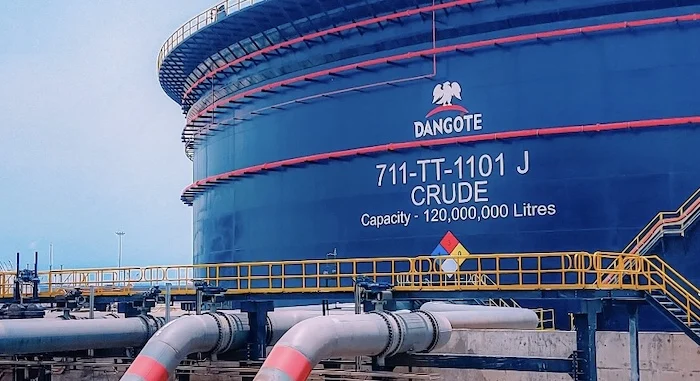

The Dangote Petroleum Refinery and Petrochemicals initial public offering is drawing Nigerians into the stock market through a combination of low entry costs, digital access and widespread interest in owning a stake in one of the country’s biggest industrial projects.
The public offer, which opened on Monday, September 14, 2026, involves 4.1 billion ordinary shares priced at ₦525 each. The minimum subscription is 10 shares, costing ₦5,250, while the offer is scheduled to close on Tuesday, October 13, 2026.
The structure has been designed to attract a large retail investor base. The transaction advisers have said the refinery is targeting up to 10 million retail investors, a level that would significantly expand participation in Nigeria’s capital market.
The push is already testing Nigeria’s digital investment infrastructure. Reuters reported on September 17, 2026, that heavy demand from retail investors overwhelmed some digital investment platforms, with Bamboo recording a sharp surge in traffic while platforms including InvestNaija experienced disruptions.
The digital-first approach is also changing how Nigerians can enter the market. Chapel Hill Denham said prospective investors could subscribe through channels including Moniepoint, MTN MoMo, Airtel, Payaza, Piggyvest, Paga, Bamboo and InvestNaija. For some of these routes, first-time investors can have the necessary CSCS arrangements created during the onboarding process rather than already having a personal CSCS account.
The low minimum investment is particularly significant for Nigerians who have never owned shares. At ₦5,250, the entry point is substantially below the amount that many people would normally associate with participation in a major corporate offering.
But the accessibility of the offer does not remove the risks of investing in shares. Dangote’s official IPO information states that dividends are not guaranteed and that the value of the shares can rise or fall after listing, meaning investors could lose some or all of the money invested.
The Securities and Exchange Commission has also repeatedly warned investors to rely only on approved information and subscription channels. On September 14, the regulator cautioned against unsolicited WhatsApp messages, social media advertisements and other channels promising guaranteed or preferential allocations. It urged prospective investors to read the approved prospectus and understand the terms and risks before subscribing.
The warning is particularly relevant because the SEC had earlier, on June 23, 2026, ordered capital-market operators to stop unauthorised promotional and pre-marketing activities linked to the proposed refinery offering, saying such activities could mislead investors, distort expectations and create information asymmetry.
At a Dangote Refinery IPO investor roadshow in Kano on Thursday, September 17, Emir of Kano Muhammadu Sanusi II similarly urged prospective investors not to use essential funds such as school fees or money from the sale of their homes to buy shares. He suggested that people invest only money they could afford to set aside, mentioning ₦10,000, ₦20,000 and ₦30,000 as examples.
Beyond the size of the ₦2.15 trillion offer, the IPO is therefore becoming a test of whether Nigeria can turn wider public interest in a major domestic company into sustained participation in the capital market.
If fully subscribed and subsequently listed, the offering could add about $60 billion to the market capitalisation of the Nigerian Exchange, according to Industry, Trade and Investment Minister Jumoke Oduwole.
For the millions of Nigerians being invited into the market for the first time, however, the central question is not simply how cheaply they can buy a share, but whether they understand what they are buying and the risks that come with owning it.