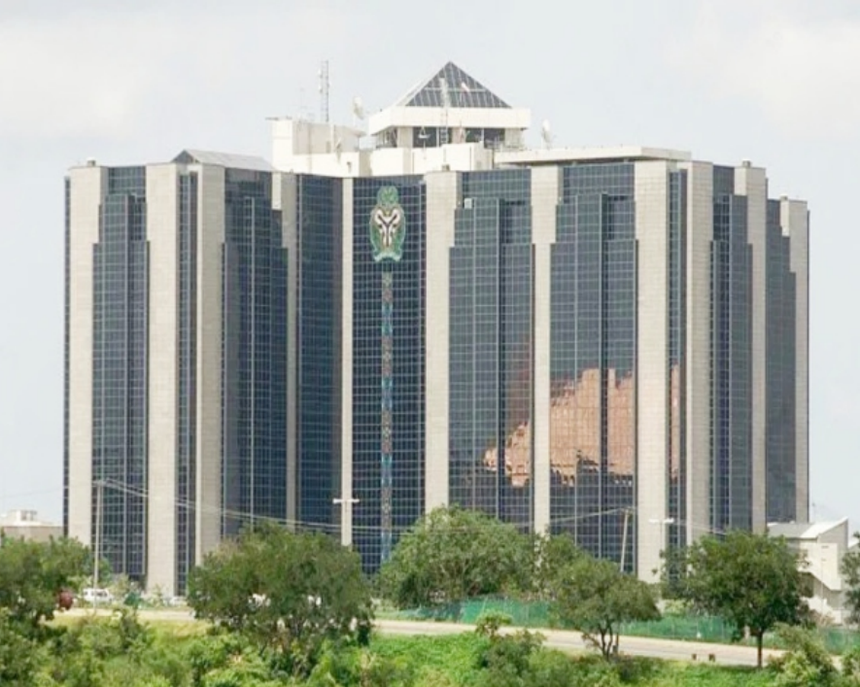

Credit extended to Nigeria’s private sector increased for the third consecutive month in August 2026, reaching N84.55 trillion, according to the latest data from the Central Bank of Nigeria. The figure represents a 1.35% monthly increase from the N83.43 trillion recorded in July. In monetary terms, private sector credit grew by about N1.13 trillion during the month.
The latest increase continues the upward movement recorded in private sector lending in recent months, although businesses still face concerns over high borrowing costs and uneven access to credit across different sectors of the economy. CBN data showed that private sector credit increased from N81.04 trillion in May to N83.26 trillion in June. It then rose to N83.43 trillion in July before reaching N84.55 trillion in August. Compared with August 2025, when private sector credit stood at N75.88 trillion, the latest figure represents an increase of about N8.67 trillion, or 11.4%.
The August increase marks the third consecutive monthly rise and suggests that banks and other financial institutions have continued to extend more financing to businesses and other private sector borrowers. However, the CBN database does not currently provide a sector by sector breakdown for August. This makes it difficult to establish which areas of the economy accounted for most of the increase. Earlier CBN data showed that credit distribution has varied considerably across sectors.
According to the apex bank’s Q1 2026 Statistical Bulletin, agriculture received N3.86 trillion in credit by March. Lending to the oil and gas sector, however, fell from N10.91 trillion in January to N10.58 trillion in March. Manufacturing credit also declined during the period, dropping from N6.57 trillion in January to N5.77 trillion in March. Other sectors recorded increases. Lending to power and energy rose from N1.30 trillion to N1.61 trillion, while real estate credit increased from N4.67 trillion to N6.29 trillion.
Credit to trade and general commerce also reached N6.29 trillion in March, while lending to the finance, insurance and capital market sector stood at N9.80 trillion.These figures indicate that an increase in total private sector credit does not necessarily mean that all industries are receiving more financing. The latest growth in lending has also occurred amid the CBN’s tight monetary policy environment. At its July 2026 Monetary Policy Committee meeting, the apex bank retained the Monetary Policy Rate at 26.50% as it continued efforts to control inflation and maintain economic stability. Despite the high interest rate environment, the CBN said demand for corporate and secured loans increased in the second quarter of 2026. Banks also recorded lower default rates across major lending categories.
However, manufacturers and other private sector operators continue to raise concerns about the availability of affordable credit.The Manufacturers Association of Nigeria previously reported that bank credit to the manufacturing sector dropped by N1.92 trillion, from N8.53 trillion in December 2024 to N6.61 trillion in December 2025.Consumer lending has also faced pressure. CBN data showed that outstanding consumer credit declined by 19.89% to N3.78 trillion in 2025 from N4.72 trillion previously. It was the first annual decline recorded since December 2019.Private sector groups, including the Centre for the Promotion of Private Enterprise, have also cautioned against further interest rate increases, saying tighter monetary conditions could put additional pressure on businesses and households.
For businesses, the cost of borrowing remains an important factor in decisions on working capital, expansion, equipment purchases and investment. Although the rise in total private sector credit shows that more financing is being provided, the broader effect will depend on which sectors receive the funds, the terms attached to the loans and the ability of borrowers to generate enough returns to repay their debts.