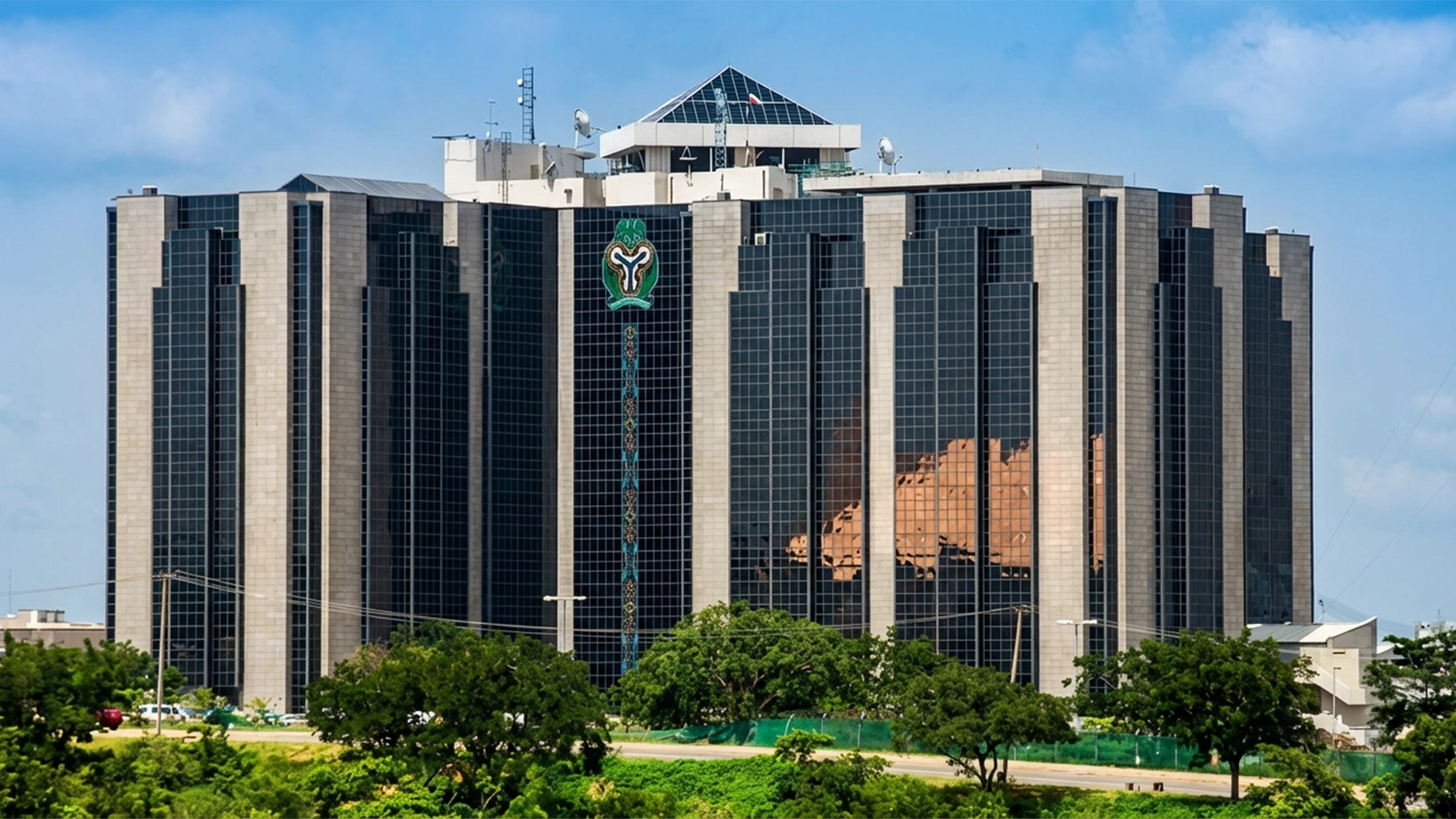

The Central Bank of Nigeria’s January 1, 2027 deadline for payment data localisation could increase cost pressure on smaller fintech operators and, over time, raise consolidation pressure across Nigeria’s payments market.
The CBN, in a circular dated June 15, 2026, directed banks, mobile money operators, switching companies, payment terminal service providers and other licensed payment operators to ensure payment transaction data generated in Nigeria is stored and managed within the country. The directive also introduced market-structure requirements, including a rule that an institution with more than 25% of the card-issuing market cannot simultaneously hold more than 15% of the merchant-acquiring market, and vice versa. Institutions are required to comply with the market-structure requirements by December 31, 2026.
While the market-share rules directly address concentration, the data-localisation requirement could create a separate competitive pressure through infrastructure, migration and compliance costs. Industry estimates suggest that moving data and related workloads to compliant local infrastructure can involve significant expenditure, particularly for institutions with complex technology environments. However, the CBN directive does not require every fintech to move its entire technology stack to Nigeria; the central requirement is that payment transaction data generated in Nigeria is stored and managed locally.
The consolidation trend also predates the CBN deadline. Flutterwave announced on January 5, 2026, that it had acquired Nigerian open-banking startup Mono in an all-stock transaction. TechCrunch reported that people familiar with the deal valued the transaction at between $25 million and $40 million. The acquisition brings Mono’s bank-data and payment infrastructure into Flutterwave’s broader payments ecosystem.
On July 27, 2026, BusinessDay reported that Zedcrest Group had acquired UK-founded cross-border payments startup Leatherback. Zedcrest said the transaction would strengthen its cross-border payments platform and global fintech strategy.
These transactions do not establish that the CBN’s data-localisation rule is causing mergers or acquisitions. Rather, they illustrate a wider fintech market in which established financial technology groups are expanding through acquisitions as competition, regulation and funding conditions evolve.
On industry readiness, Krishnan Ranganath, chief executive officer of UniCloud Africa, told BusinessDay in July 2026 that most Tier-1 and Tier-2 commercial banks had already localised their transaction data, while fintechs and digital banks still hosting data abroad faced a tougher transition. Ranganath also said implementation was “still a bit premature”, with institutions still assessing migration strategies, cybersecurity risks and the financial implications of changing existing cloud arrangements.
Existing agreements with international cloud providers such as Amazon Web Services and Microsoft Azure could also complicate the transition for some operators, particularly where contracts and infrastructure arrangements were built around offshore hosting.
For smaller fintechs, the issue is therefore not simply whether compliant local infrastructure exists, but whether they have enough capital and technical capacity to meet the new requirements without putting additional pressure on their operations.
There is no evidence yet that the CBN directive itself has triggered a wave of fintech mergers or exits. The more defensible conclusion is that the policy could increase consolidation pressure if smaller operators struggle to absorb the costs of compliance. With the January 2027 deadline approaching, the ability to finance, secure and manage compliant infrastructure could become an increasingly important factor in determining which fintechs can compete and which may seek partnerships, acquisitions or other forms of consolidation.