
Rising and unstable petrol prices are disrupting trade, transport and small businesses in border communities between Nigeria’s Zamfara State and Niger Republic, according to an investigation published by Arewa PUNCH on Tuesday, 8 September 2026.
The newspaper reported that legitimate trade between communities in Zamfara, particularly Zurmi Local Government Area, and neighbouring Nigerien communities has fallen sharply as higher fuel and transport costs make cross-border commerce increasingly difficult.
Arewa PUNCH found during visits to communities around Zurmi that there were no reported security or regulatory restrictions preventing the movement of people and goods between the two countries. A businessman identified as Alhaji Buhari told the newspaper that cross-border movement had continued since 2023.
However, the continued movement has not translated into the level of commercial activity previously seen, with rising fuel costs weakening the economics of transporting goods.
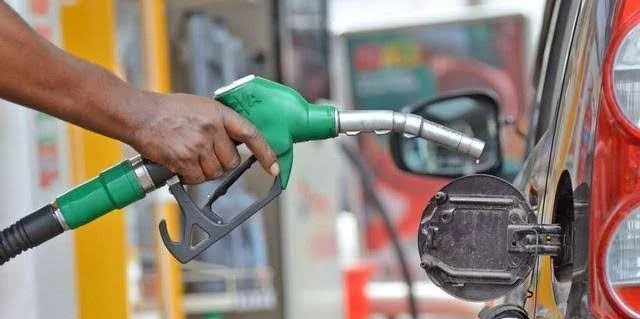
The fuel crisis is also affecting transportation within Zamfara. Arewa PUNCH reported that many filling stations were closed, while the few operating were limiting supplies. Commercial transporters and motorcycle operators have consequently increased fares, making movement more difficult for residents.
Small businesses are also feeling the pressure. The newspaper reported that an ice-block producer in Gusau had reduced production because of higher operating costs and weaker demand.
The pressure comes as Nigeria continues to deal with renewed inflation. The National Bureau of Statistics said in its Consumer Price Index report released on 15 April 2026 that headline inflation rose to 15.38 per cent in March from 15.06 per cent in February. Month-on-month inflation also increased sharply to 4.18 per cent from 2.01 per cent.
Zamfara recorded the highest month-on-month headline inflation among Nigerian states in March, at 10.77 per cent, according to the NBS data reported by Channels Television.
The fuel shock is also being felt across the border in Niger Republic. Deutsche Welle reported in 2026 that residents of Maradi, where petrol has traditionally been supplied partly through informal channels from Nigeria, were facing shortages and rationing at filling stations. Consumers interviewed by DW said informal sellers were charging about 600 to 700 CFA francs per litre.
On 7 April 2026, Niger’s Agence Nigérienne de Presse reported that authorities in Agadez banned the street sale of petrol outside authorised filling stations after inspections found problems with fuel distribution.
The border fuel problem has also entered Nigeria’s wider political debate. Oyo State Governor Seyi Makinde argued in a September 2026 newsletter that Nigerians should not be made to pay higher petrol prices simply to offset the price difference that encourages smuggling. He called instead for greater transparency in petroleum pricing and stronger border enforcement.
For communities on both sides of the Zamfara-Niger border, however, the immediate concern is more practical: expensive fuel is making movement, trade and everyday business increasingly difficult.