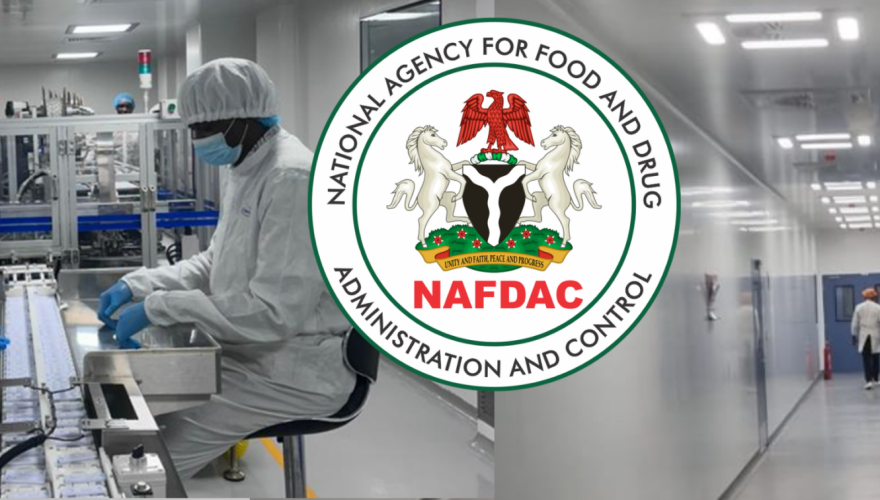

The National Agency for Food and Drug Administration and Control (NAFDAC) received 225 complaints about suspected counterfeit products in August 2026, highlighting the continuing scale of Nigeria’s battle against fake, adulterated and unregistered consumer products.
NAFDAC Director-General, Prof. Mojisola Adeyeye, disclosed the figure on Monday, 7 September 2026, during a briefing on the agency’s enforcement activities. According to Adeyeye, NAFDAC receives more than 200 complaints from Nigerians through its reporting channels in a typical month, with the complaints providing leads for investigations.
The latest figures come barely two weeks after NAFDAC sealed several shops at Lagos’ Trade Fair Complex over suspected dealings in unregistered cosmetics. The agency said its Investigation and Enforcement Directorate, Cosmetics Division, conducted the operation on 26 and 27 August 2026, identifying suspected unregistered cosmetic products at several business premises.
NAFDAC said the affected premises were locked and placed under NAFDAC HOLD notices while samples were collected for further investigation. The agency also said invitation letters were issued to the owners and operators for questioning and regulatory proceedings.
The August operation followed a much larger discovery at the same commercial centre earlier in 2026. On 22 February 2026, NAFDAC announced that it had uncovered a warehouse at the APT Trade Fair Complex containing banned, counterfeit and unregistered cosmetic products valued at more than ₦3 billion. According to NAFDAC, the warehouse was concealed inside an unfinished building and contained products including Crusader soap, E45 soap and Extract Gold whitening soaps, as well as perfumes and body oils.
NAFDAC’s crackdown has also extended to medicines and other regulated products. On 19 August 2026, the agency issued Public Alert No. 042/2026 concerning the seizure of suspected substandard and falsified Artemether/Lumefantrine 80mg/480mg, an antimalarial medicine. NAFDAC urged healthcare professionals, distributors and members of the public to remain vigilant and report suspicious products.
On the same date, NAFDAC issued Public Alert No. 041/2026 over suspected counterfeit ORACIRE+ toothpaste, warning that a product bearing a similar name was reportedly being distributed as the registered product.
Adeyeye, speaking on 7 September 2026, cautioned Nigerians against treating social-media allegations as proof that a product is counterfeit or unsafe. She said scientific testing and regulatory investigation are necessary to establish such claims, while urging consumers to use NAFDAC’s official complaint channels.
The agency’s recent enforcement record shows that Nigeria’s counterfeit-product problem extends across cosmetics, medicines, food and other regulated goods. Rather than focusing only on where products originate, NAFDAC’s latest actions point to a broader effort to identify unsafe products at warehouses, shops and other points in the domestic supply chain.
For consumers, the message is increasingly direct: verify regulated products before buying them, and report suspected counterfeits to NAFDAC rather than relying solely on social-media warnings.