
Twenty-six of the 34 Nigerian states assessed by BudgIT could not generate enough internally generated revenue (IGR) to cover their personnel costs in 2025, highlighting the continued dependence of most state governments on federal allocations despite a sharp increase in revenue.
The finding is contained in BudgIT’s August 2026 report, Nigeria’s Economic Reforms: What Has Changed Across Nigeria’s States? An Analysis of State Finances in the Post-Subsidy Years. The report analysed actual budget implementation figures for 2022 and 2025. Akwa Ibom and Rivers were excluded because complete or usable data was unavailable.
The 26 states generated about ₦1.16 trillion in IGR but spent approximately ₦1.91 trillion on personnel, leaving a combined shortfall of about ₦747 billion.
BudgIT stressed that this does not mean states are expected to finance salaries solely from IGR. Federal allocations are a legitimate source of government revenue. The comparison instead shows how difficult it would be for many states to meet their personnel obligations without transfers from the Federation Account Allocation Committee (FAAC).
The dependence has deepened even as state revenues increased following major economic reforms.
BudgIT reported that aggregate FAAC allocations to the assessed states rose from ₦3.43 trillion in 2022 to ₦11.38 trillion in 2025, an increase of 232.06%. IGR also increased, from ₦1.57 trillion to ₦4.15 trillion, but grew by a slower 165.01%.
Consequently, FAAC accounted for 73.3% of aggregate state revenue in 2025, compared with 68.7% in 2022, while IGR’s share fell from 31.4% to 26.7%.
The period also included a major increase in Nigeria’s national minimum wage.
On 29 July 2024, President Bola Tinubu signed the new minimum wage bill into law, raising the statutory national minimum wage from ₦30,000 to ₦70,000. Reuters reported that the increase followed months of negotiations between the Federal Government and organised labour amid a severe cost-of-living crisis.
The higher wage floor increased the financial obligations facing governments as states implemented the new wage and adjusted related salary structures. However, BudgIT’s data does not attribute the entire increase in personnel spending to the minimum wage.
Across the assessed states, personnel expenditure rose from ₦1.55 trillion in 2022 to ₦2.89 trillion in 2025, an increase of about 86%. At the same time, personnel costs fell as a share of total state expenditure, from 24.99% to 16.16%, according to BudgIT.
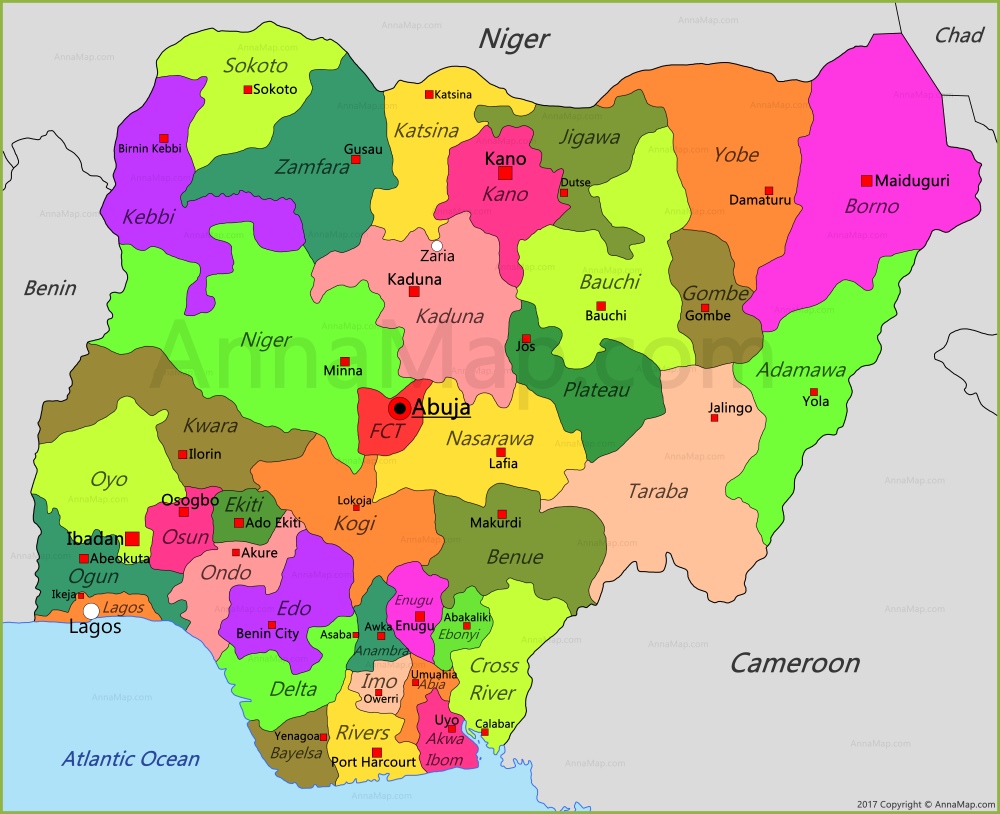
Only eight states generated more IGR than personnel expenditure: Lagos, Enugu, Ogun, Delta, Kaduna, Kwara, Abia and Anambra.
Lagos was the clear outlier, generating about ₦1.85 trillion in IGR in 2025. Its personnel expenditure was about ₦333.67 billion, meaning its internally generated revenue was more than five times its wage bill.
At the other end, Yobe generated ₦15.42 billion in IGR against personnel expenditure of ₦76.34 billion. Taraba recorded ₦17.89 billion in IGR against ₦55.60 billion in personnel costs, while Sokoto generated ₦20.58 billion against ₦58.65 billion.
The number of states whose personnel costs exceeded IGR nevertheless improved slightly, from 28 in 2022 to 26 in 2025.
BudgIT’s analysis points to a broader fiscal challenge: states need to expand their economic and tax bases, improve revenue collection and reduce leakages rather than rely increasingly on federal transfers.
For Nigeria’s subnational governments, the issue is therefore not simply how much money comes from FAAC, but whether states can build productive local economies capable of generating enough sustainable revenue to finance public services and rising obligations.