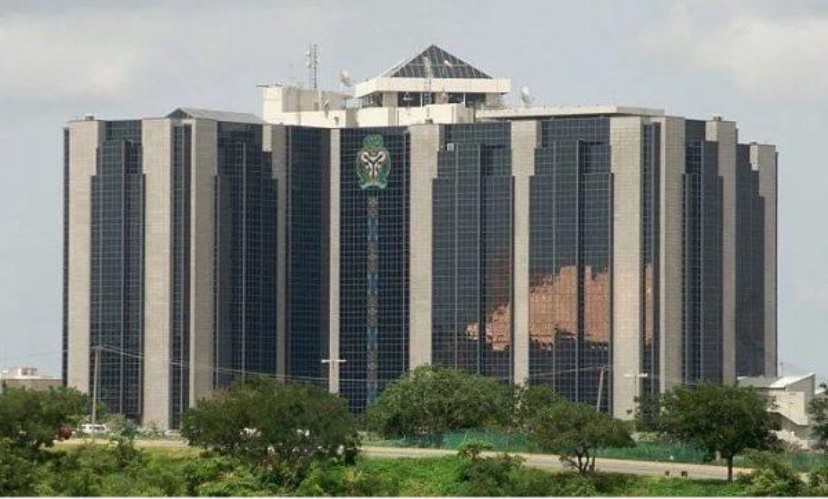

Nigeria’s foreign exchange reserves have climbed above the $53 billion mark for the first time in more than 17 years, reflecting a major improvement in the country’s external financial position.
Latest figures from the Central Bank of Nigeria (CBN) showed that the reserves reached $53.11 billion as of August 24, 2026. The figure represents an increase of about $7.54 billion, or 16.55 per cent, from the $45.565 billion recorded at the beginning of the year.
The latest reserve level is also the strongest recorded since January 2009, when Nigeria’s reserves stood at about $53.25 billion. This means the current figure is only around $142 million below the level recorded more than a decade and a half ago.
The steady improvement has been supported by stronger foreign exchange inflows, particularly receipts connected to crude oil and other sources of external revenue.
CBN Governor Olayemi Cardoso has attributed the recent increase largely to crude-oil-related taxes and third-party inflows. He said the country’s reserves now provide sufficient foreign exchange to cover about 11 months of imports of goods and services.
The growth has been relatively strong in recent months. On July 3, reserves stood at $51.53 billion before crossing the $52 billion threshold on July 27. By August 21, the figure had risen to approximately $52.83 billion and then moved above $53 billion three