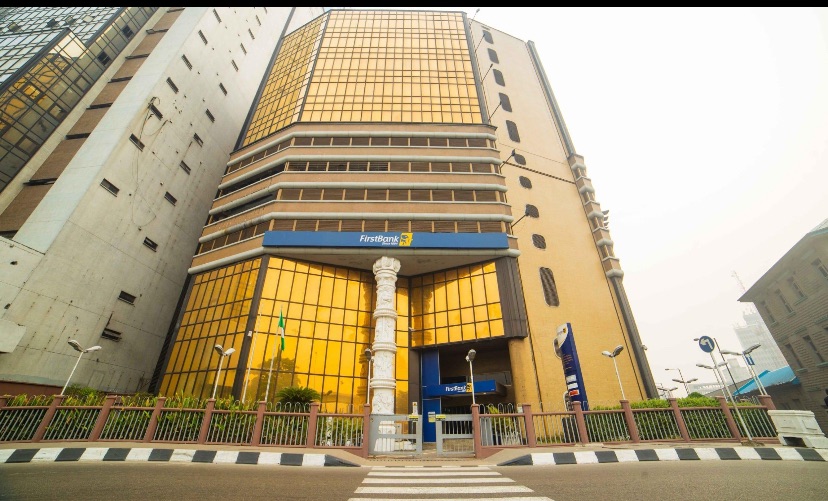

FirstBank Nigeria is strengthening its focus on sustainable banking after screening 505 corporate transactions worth more than N10 trillion for Environmental, Social and Governance (ESG) risks in 2025.
The figure represents a major increase from the 237 corporate transactions valued at over N3 trillion that the bank assessed in 2024. According to FirstBank, the rise shows that sustainability is becoming a more important part of how businesses are assessed before they receive financing.
The bank disclosed the development at the first Annual Sustainability Conference of the Sustainability Professionals Institute of Nigeria (SPIN), held in Lagos. The event, sponsored by FirstBank, focused on how businesses can remain resilient and sustainable during difficult economic periods.
FirstBank Group Managing Director and Chief Executive Officer, Olusegun Alebiosu, represented at the conference by the bank’s Executive Director of Risk Management, Adebiyi Olagbami, said economic challenges should not discourage companies from pursuing sustainability.
He explained that issues such as inflation, currency fluctuations, tighter access to capital and weaker global interest in ESG investments were putting pressure on businesses. However, he argued that these challenges made sustainability even more important.
According to him, a strong sustainability strategy can help companies manage environmental and social risks, discover new business opportunities and maintain the confidence of customers, regulators and communities.
FirstBank said it has also completed its Green Product Credit Policy. The policy connects its lending decisions with its Climate Policy, Environmental and Social Management System and international sustainability standards.
The bank now carries out sector-specific ESG assessments covering industries such as oil and gas, power, construction and agriculture. This means environmental and social risks are considered during the credit approval process instead of being reviewed after financing has already been granted.
Beyond risk management, FirstBank is increasing its support for clean energy projects. Its initiatives include alternative energy financing for individuals, solar financing for small and medium-sized businesses and a green energy option under its vehicle financing products.
The bank believes access to funding remains one of the biggest challenges slowing Nigeria’s transition to cleaner energy. It said financial institutions have an important role to play in directing more capital towards renewable energy and environmentally friendly transportation.
FirstBank also plans to publish its first Sustainability Report based on IFRS S1 and S2 standards, strengthening its commitment to transparency and sustainability reporting.
Alebiosu noted that the bank’s sustainability efforts have continued alongside its financial growth, with FirstBank recording N3.4 trillion in gross earnings in 2025.
Olagbami added that ESG issues are increasingly becoming credit risks because climate-related challenges, environmental liabilities and social problems can affect a borrower’s ability to repay loans.
He said FirstBank is assessing customers across sectors including manufacturing, agriculture, construction, oil and gas and services, while developing action plans for businesses where sustainability gaps are identified.
Meanwhile, the Nigeria Sovereign Investment Authority said sustainability must become part of core business decision-making rather than remain a side issue.
SPIN President Kenneth Amaeshi also called for a sustainability approach that reflects Nigeria’s local economic realities, stressing the need for solutions that can work effectively within the country.
The growing focus by FirstBank and other financial institutions suggests that sustainability is gradually becoming a key factor in Nigeria’s banking and investment decisions.