
Friday, August 21, 2026
  • Login
No Result
View All Result
The Business Times
  • News
  • BT Exclusive
  • Economy
  • Business
  • Financial Markets
  • Politics
  • Energy
  • Insights
  • Sports
  • News
  • BT Exclusive
  • Economy
  • Business
  • Financial Markets
  • Politics
  • Energy
  • Insights
  • Sports
No Result
View All Result
The Business Times
No Result
View All Result
Home Economy

₦500, Same Note, Less Value

byAdedipe Temilolaoluwa
August 21, 2026
in Economy, News
0
5
VIEWS
Share on FacebookShare on Twitter

Nigeria’s headline inflation may be slowing, but the cost of food continues to rise, leaving ordinary Nigerians with less purchasing power.

Headline inflation fell to 15.43 percent in July 2026, down from 15.91 percent in June. However, food inflation moved in the opposite direction, rising for the sixth consecutive month to 20.31 percent.

For many households, the real impact is easiest to see in the market.

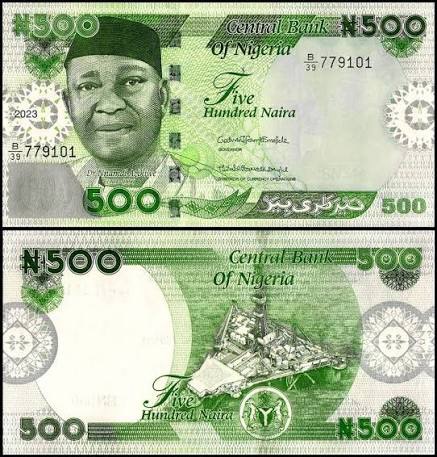
A ₦500 note that once covered several basic items now struggles to buy enough for even a simple meal.

Sachet water, for example, now sells for about ₦250 to ₦300 in some states, while individual sachets can cost around ₦20. A kilogram of loose white garri can also take up almost the entire ₦500.

The situation shows why falling headline inflation does not necessarily mean life is becoming cheaper.

Nigeria’s inflation rate may be increasing at a slower pace, but prices that have already gone up generally remain high. This means households are still dealing with the loss of purchasing power caused by years of rising prices.

The naira’s relative stability has also not been enough to reverse the pressure. Although the currency has strengthened compared with some levels recorded in 2025, the improvement has been overshadowed by accumulated inflation.

Some areas, including transport, clothing and miscellaneous household expenses, recorded modest improvements in July. But food remains the biggest concern for households because it takes up a large share of everyday spending.

For many Nigerians, therefore, the biggest sign of the economy is not the inflation figure announced in a report.

It is what ₦500 can buy at the market.

And for now, that amount is buying less than it used to.

Tags: cost of livingfood inflationFood pricesInflationnairaNigeria EconomyPurchasing Power
Adedipe Temilolaoluwa

Adedipe Temilolaoluwa

Next Post

Nigeria’s Oil Wealth Is Not Enough to Attract Investors — PENGASSAN

Recommended

Dangote Refinery Cuts Jet A1 Aviation Fuel Price to N1,650

Dangote Refinery Cuts Jet Fuel Price to N1,450 Per Litre Amid Aviation Cost Pressures

2 months ago

Dangote Refinery Targets $50bn Valuation Ahead of Historic African IPO

3 months ago

Popular News

  • Nigeria’s Oil Wealth Is Not Enough to Attract Investors — PENGASSAN

    0 shares
    Share 0 Tweet 0
  • ₦500, Same Note, Less Value

    0 shares
    Share 0 Tweet 0
  • Nigeria Faces Oil Skills Gap as Investment Returns

    0 shares
    Share 0 Tweet 0
  • Start That Business, But Do You Know These Rules?

    0 shares
    Share 0 Tweet 0
  • Nigeria’s Data Is Getting Too Expensive

    0 shares
    Share 0 Tweet 0

Connect with us

Facebook Twitter Instagram TikTok

Newsletter

Pages

  • About Page
  • Contact
  • Domestic Gas Sales Rise 30% as Nigeria’s Energy Reforms Gain Traction
  • Privacy Policy
  • Terms & Conditions

Navigation

  • News
  • BT Exclusive
  • Economy
  • Business
  • Financial Markets
  • Politics
  • Energy
  • Insights
  • Sports

© 2025 The Business Times NG .

Welcome Back!

OR

Login to your account below

Forgotten Password?

Retrieve your password

Please enter your username or email address to reset your password.

Log In
No Result
View All Result
  • Home
  • News
  • BT Exclusive
  • Economy
  • Business
  • Financial Markets
  • Politics
  • Energy
  • Insights
  • Sports

© 2025 The Business Times NG .