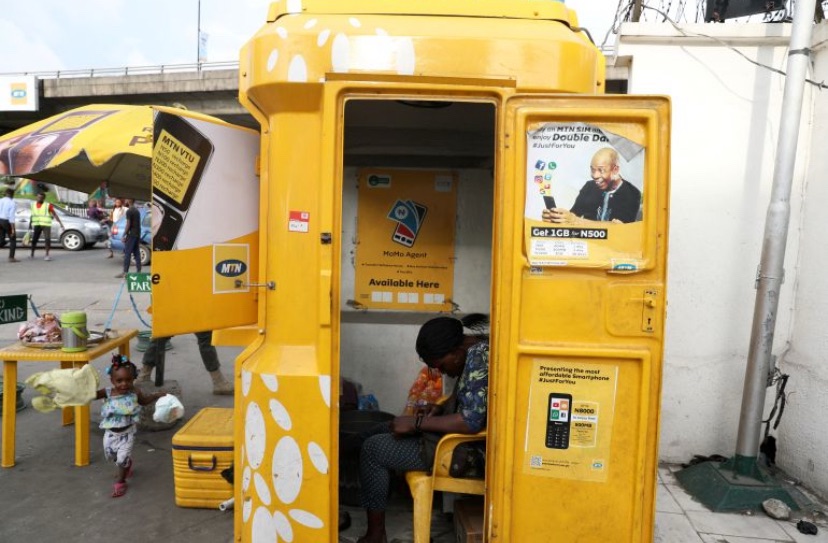

Data has quietly become one of the biggest line items in the average Nigerian household budget. Over the past year and a half, telecom operators have pushed through repeated tariff increases, and the price of simply staying connected has more than doubled for many subscribers.
In January 2025, the Nigerian Communications Commission (NCC) approved a 50 percent increase in telecom tariffs — the first major adjustment since 2013, with regulators describing it as necessary to sustain investment in network infrastructure. Operators had initially pushed for far more: telecom companies had proposed a 100 percent tariff increase before the government settled on a lower figure.
The effect on real prices has been sharp. The price of 1GB of data effectively rose from roughly ₦287 to ₦431.25, a 50 percent jump. A plan that used to cost ₦1,000 for 1.5GB now costs ₦1,500 for 2GB, and MTN briefly attempted a 200 percent increase before public backlash forced a reversal.
Some individual bundles jumped even higher. MTN Nigeria raised the price of its 15GB data plan by 200 percent, from ₦2,000 to ₦6,000, while Airtel Nigeria adjusted its 8GB plan from ₦2,000 to ₦3,000.
Voice calls and SMS climbed too. Voice calls now cost a minimum of ₦9.60 per minute, and SMS is priced at ₦6 — up from a market where, back in 2019, the average price of mobile voice calls was just ₦11 per minute and 1GB of data cost about ₦1,000.
Telecom companies argue the increases were overdue. Networks had long maintained that the cost of running infrastructure — towers, fibre backhaul, foreign-currency equipment imports, diesel for generators — had risen sharply due to naira devaluation and inflation, while prices stayed frozen for over a decade. The NCC has echoed this, noting that the approved increase was actually lower than the more than 100 percent hike some operators had originally sought.
Satellite internet has not been spared either. Starlink increased its standard residential subscription in Nigeria to ₦75,000 per month, up from a previous range of around ₦38,000, citing inflation.
The hikes landed on a population already battered by inflation. The tariff increases arrived as Nigerians grappled with soaring inflation of nearly 40 percent, compounding pressure on already-stretched disposable income.
For everyday users and small business owners, the consequences go beyond inconvenience. Analysts warn that rising telecom fees could widen the digital divide, making it harder for low-income individuals and rural communities to access e-learning, healthcare, and job opportunities — while also limiting the ability of small businesses, startups, and entrepreneurs to stay connected, potentially stifling innovation and growth.
Access gaps remain stark even before cost is factored in. According to the Universal Service Provision Fund, 27.91 million Nigerians currently live in areas underserved or completely unserved by telecom services — meaning millions face both a coverage problem and an affordability problem at the same time.
Frustration has grown because service quality hasn’t kept pace with the new prices. Despite the tariff hikes, many Nigerians are widely seen as not getting value for money, prompting the NCC to order operators to compensate subscribers who experienced poor network service. Data depletion — where bundles burn faster than actual usage — has become a major source of complaints, which operators attribute to background app updates, auto-playing media, and high-definition streaming.
Even so, demand for data hasn’t slowed. In the first four months of 2026 alone, telecom operators gained more than 6.6 million new internet subscribers, with March and April recording the highest monthly data consumption since the NCC began tracking the statistics in January 2023 — a sign that, priced out or not, Nigerians increasingly have no choice but to stay online.
Shopping around still offers some relief. Glo currently offers the most data per naira among the major networks, with a 3.9GB bundle for ₦1,000 and a 200GB bundle for ₦20,000, though its network speed and coverage remain inconsistent outside Lagos and Abuja. 9mobile offers competitive pricing at around ₦250 per GB on its 50GB plan but has the smallest coverage footprint of the four major operators.
For now, industry watchers say the era of cheap Nigerian data — long considered among the most affordable in the world — is effectively over, and households are adjusting their habits, budgets, and expectations accordingly.