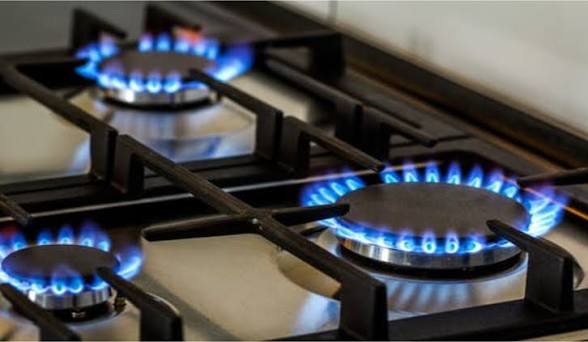

For Nigerian households, the cooking-gas crisis is no longer simply about the price of filling a cylinder. It is increasingly becoming a question of what families can afford to cook and when they can cook it.
That shift is showing up in household decisions across the country. Families are buying smaller quantities, planning meals around available gas and electricity, and looking for cheaper ways to prepare food as energy costs continue to squeeze disposable income.
For Mr Jide, a Lagos resident, even the decision to cook beans now depends on electricity availability.
“I only cook beans when there’s light,” he said, explaining that the long cooking time makes the meal too expensive to prepare with cooking gas.
His experience captures a broader problem facing households: consumers are not merely paying more for energy; they are changing their behaviour to avoid using it.
The data confirms the squeeze. The Major Energy Marketers Association of Nigeria said average LPG prices rose from about ₦1,086 per kilogramme in January to ₦1,800 in May before easing to ₦1,661 in June. Over the same period, estimated daily LPG consumption fell from almost five kilotonnes to about 4.2 kilotonnes.
That decline points to demand destruction, a situation where consumers reduce how much of a product they buy because it has become too expensive.
Across Nigeria, families are cooking larger quantities at once, choosing meals that require less cooking time and buying smaller gas refills to spread the financial burden.
Some consumers have also reported turning to charcoal, firewood and other alternatives when LPG becomes unaffordable. The shift risks reversing progress towards cleaner household cooking fuels.
The concern is particularly significant for low-income earners. Every increase in cooking fuel costs competes directly with food, transport, rent, school expenses and other household necessities.
The recent supply swings have added to the uncertainty. LPG imports surged 1,400% in June as domestic supply weakened, showing how quickly the market can depend on imported gas despite Nigeria’s substantial natural-gas resources.
For consumers, however, the distinction between domestic production and imports matters less than the final price they face at the point of purchase.
The bigger economic warning is that Nigeria’s cooking-gas crisis is becoming an income problem.
When households begin deciding which meals to cook based on the price of fuel, energy inflation is no longer confined to the energy market. It is changing consumption patterns inside Nigerian homes.
And for people like Jide, the question is increasingly simple: if there is no electricity, can the family afford the gas needed to cook the food?