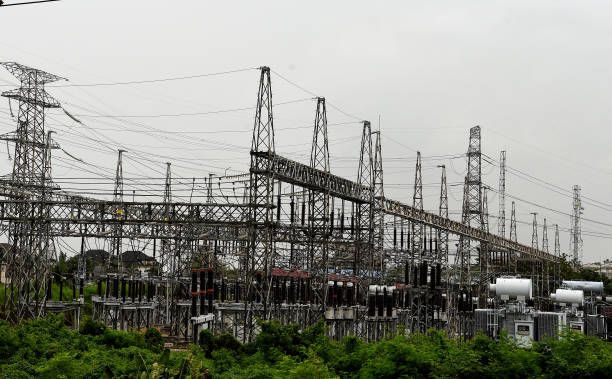

The Nigerian Electricity Regulatory Commission (NERC) on August 10, 2026, dissolved the board of Kaduna Electricity Distribution Company (Kaduna Electric) over its financial and operational failures. The decision, taken under the Electricity Act 2023, followed findings that the company owed about N456.5 billion in market obligations, failed to meet investment targets and could not present a credible recovery plan.
For many Nigerians, however, the bigger question is not whether the regulator has acted, but whether the intervention will improve the daily lives of electricity consumers across Kaduna, Sokoto, Zamfara and Kebbi states. The Electricity Act 2023 gives NERC the power to sanction electricity companies that fail to meet their licence conditions or threaten the stability of the electricity market. By removing Kaduna Electric’s board and appointing an interim management team, the regulator is signalling that poor financial performance and weak governance will no longer go unchecked. Yet conversations with electricity users suggest that many people are separating the company’s financial problems from the quality of electricity they receive.
Ziyad Shuaibu, a tech worker based in Kaduna, said he does not believe the board’s removal will automatically lead to better electricity supply.
“To be frank, the board was dissolved because of their inability to clear the debt, not because of poor electricity supply,” he said.
According to Shuaibu, electricity in Ungwan Rimi has remained fairly stable for the six to seven years he has lived there. He also said communities such as Rigachikun and Millennium City receive supply that reflects their electricity bands, with Millennium City moving from Band C to Band A as the area developed. For him, the change in leadership may not have much effect on electricity supply.
“The new board is there mainly for the money and not the welfare of the people. Electricity may become better or worse, but I do not think that is why they were appointed,” he added.
His comments highlight a growing public perception that regulatory actions are driven more by financial concerns than by service delivery. Another issue that emerged from the discussion is the increasing dependence on alternative energy. Asked how unreliable electricity has affected his work, Shuaibu said he relies mostly on solar power because the national grid cannot always be trusted.
“I majorly operate on alternative energy sources, and that is because grid electricity is unreliable,” he said.
This reflects a growing reality across Nigeria, where many homes and businesses are investing in solar systems, inverters and generators to reduce their dependence on public electricity. For businesses, however, the bigger concern may no longer be the number of hours of electricity supplied but the cost of accessing it. Shuaibu explained that businesses in Kaduna metropolis receive between 10 and 14 hours of electricity daily, which he considers manageable. His concern is the sharp increase in electricity tariffs.
“One unit now costs more than N240 and it runs down very fast. We now spend about N180,000 every month buying electricity tokens, even while using solar during working hours,” he said.
His experience reflects a wider concern among businesses that rising electricity costs are increasing operating expenses at a time when inflation continues to squeeze household incomes and company profits. The discussion also points to changing public attitudes towards government reforms.
“The government now operates with a purely capitalist mindset,” Shuaibu said. “The focus is on increasing revenue, while people’s incomes remain low and the cost of living keeps rising.”
This perception is becoming increasingly common as electricity tariffs, fuel prices and other living costs continue to rise. Many consumers say reforms should produce visible improvements in service before higher costs are passed on to households and businesses.
On what should happen next, Shuaibu believes the new management should focus on making electricity payments fairer.
“It seems the increase in token charges was aimed at getting more money from ordinary consumers. Why not focus more on industries? There are rumours that some large companies do not pay as they should, while ordinary Nigerians carry the burden,” he said.
Whether those concerns are accurate or not, they reflect the growing demand for greater transparency and fairness in the electricity sector. Ultimately, the removal of Kaduna Electric’s board is more than a corporate decision. It is a test of Nigeria’s electricity reforms and of the powers granted to NERC under the Electricity Act 2023. The success of the intervention will not be measured by the appointment of a new board, but by whether consumers experience better service, fairer pricing and stronger accountability in the months ahead.