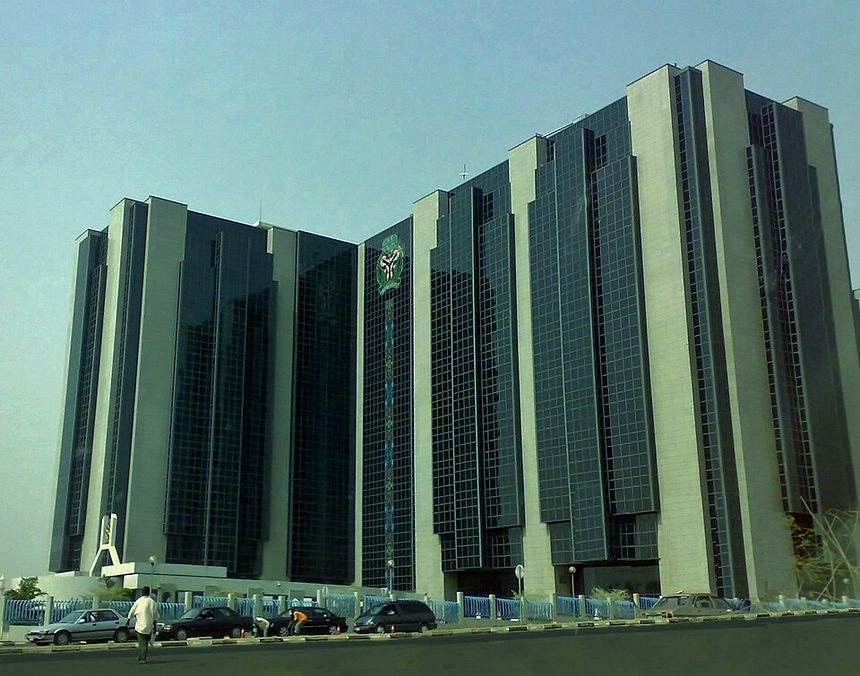

The Central Bank of Nigeria (CBN) directed financial institutions to refund N19.12 billion to customers in 2025 after resolving 18,824 complaints, representing about 90 percent of all consumer cases handled during the year. The refunds, contained in the apex bank’s Consumer Protection Report 2025, almost doubled the N9.66 billion returned to customers in 2024. While the development points to stronger regulatory oversight, it also highlights persistent service failures within Nigeria’s banking industry that continue to affect customers.
The report also showed that the CBN received 23,129 complaints in 2025, an 11 percent increase from the 20,925 complaints recorded in the previous year. Although the regulator attributed the increase to greater awareness of consumer rights and stronger public confidence in its complaint resolution framework, industry observers say the figures also reflect the growing challenges associated with digital banking.
Rebecca Abolaji, a retired civil servant, said the increase in refunds tells two different stories.
“On one hand, it is good that the CBN is stepping in to ensure customers get their money back. On the other hand, it shows that many banks are still making mistakes that cost customers money. We still hear complaints about failed transfers that are not reversed quickly, wrong charges and deductions that people do not understand,” she said .According to her, the growing use of electronic banking has made such issues more common. “Today, almost everyone relies on mobile apps, internet banking or transfers. As more people use these platforms, the chances of transaction failures also increase. Network problems and system downtime are still affecting many customers,” Abolaji added.
The report revealed that the value of disputed local currency transactions rose to N40.61 billion in 2025 from N17.13 billion a year earlier. Foreign currency disputes also increased significantly, indicating that customers are losing larger sums before their complaints are resolved.Hannah, a nurse, described the report as both encouraging and concerning.
“I think it is encouraging that more customers are getting refunds because it shows the CBN is taking consumer protection more seriously. But at the same time, the amount being refunded tells us that banks are still making service mistakes that should not happen in the first place,” she said.She noted that the rise in complaints should not necessarily be viewed as a sign that banking services are getting worse.”
People are more aware of their rights now, and they know they can report unresolved issues to the CBN if their banks do not act. So I see the increase in complaints as a sign that customers have more confidence in the system. It is something regulators should pay attention to, but it is not a reason for panic,” she said. According to Hannah, system failures, human errors, fraudulent activities and delays in reversing failed transactions remain major factors behind the growing value of disputed transactions.
To improve compliance with consumer protection regulations, the CBN imposed 32 sanctions on financial institutions during the year, with total penalties amounting to N1.69 billion.However, both respondents questioned whether the fines were strong enough to change the behaviour of large banks.”When you consider the size and profits of many of these banks, I do not think the fines are enough to make them take customer complaints more seriously. There has to be a stronger deterrent if we want to see lasting improvements,” Abolaji said.
Hannah agreed, saying regulators should consider stiffer penalties for institutions that repeatedly fail to resolve customer complaints within the required timelines. Looking ahead, both respondents said banks should focus more on preventing transaction failures than refunding customers after problems occur. “Banks need to invest in better systems that can detect failed transactions and reverse them automatically instead of making customers go through long complaint processes,” Abolaji said.
Hannah added that improving information technology infrastructure and enforcing stricter timelines for complaint resolution would strengthen public confidence in the financial system.The CBN’s latest report suggests that consumer protection is improving in Nigeria’s banking sector. However, the steady rise in complaints and disputed transactions shows that financial institutions still have significant work to do to improve service delivery, strengthen digital payment systems and rebuild customer trust.