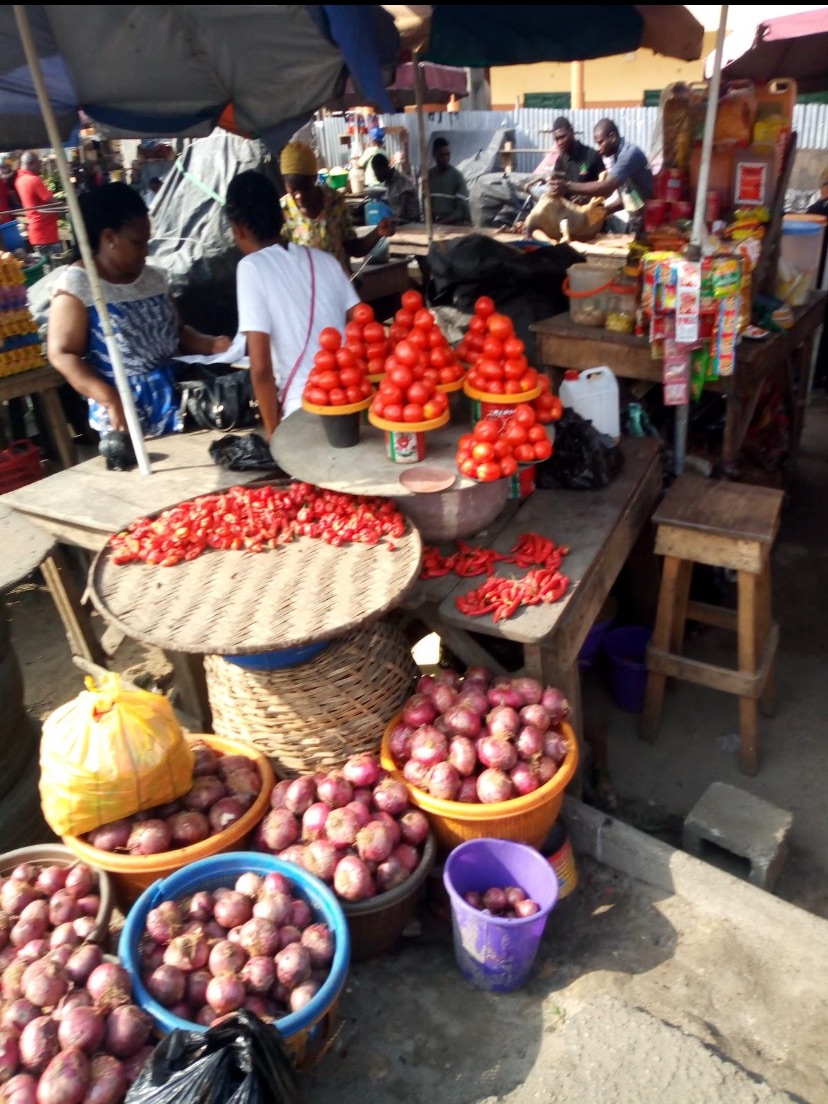

Nigeria’s food inflation continued to rise in June 2026, reaching 17.52 percent, marking the fifth consecutive month of increases. The latest figures show that the rising cost of edible oil was one of the biggest reasons food prices remained high, adding more pressure on households already struggling with the rising cost of living.
According to data from the Price and Promo FMCG Momentum Dashboard, edible oil experienced the strongest price increase among the six major food categories monitored during the month. While noodles recorded a slight drop in price, products such as breakfast cereals, food seasoning, powdered milk and powdered beverages remained largely unchanged.
The report tracked the prices of 122 fast-moving consumer goods (FMCG) food products. It found that 72 percent of the products maintained the same prices in June, while 13 percent became more expensive and 15 percent recorded price reductions. This suggests that although most food prices remained stable, sharp increases in certain essential products continued to push overall food inflation higher.
The National Bureau of Statistics (NBS) also confirmed that food inflation increased from 16.96 percent in May to 17.52 percent in June, extending the upward trend seen over the past five months.
Economic experts believe the rise is being driven by higher prices of staple food items such as pepper, onions and cooking oil, which are widely used by Nigerian households. These increases have made it more expensive for families to prepare everyday meals.
Chief Executive Officer of the Centre for the Promotion of Private Enterprise (CPPE), Dr. Muda Yusuf, said food prices have started rising again after showing signs of moderation earlier in the year.
He explained that food inflation remains the biggest contributor to Nigeria’s cost-of-living crisis because it reduces the purchasing power of households, increases poverty levels and makes it harder for families to afford nutritious meals.
Although the country’s headline inflation eased slightly from 15.93 percent in May to 15.91 percent in June, Yusuf noted that food inflation continues to remain stubbornly high. He also pointed out that urban inflation stood above the national average, partly due to population movement from rural communities affected by insecurity.
According to Yusuf, Nigeria’s inflation problem is mainly structural rather than monetary. He identified insecurity in farming communities, high transportation costs, expensive fuel and electricity, rising fertiliser prices and supply chain disruptions as the major causes of increasing food prices.
He stressed that food, transportation, housing, utilities and energy account for more than 70 percent of inflationary pressures in the country. As a result, he urged the government to focus its interventions on these critical sectors.
Yusuf welcomed the Federal Government’s decision to establish a Ministerial Advisory Committee to recommend solutions to the cost-of-living crisis. He also called for stronger security in farming areas, expanded irrigation projects, increased mechanised farming and better storage facilities to reduce post-harvest losses.
He added that the latest inflation figures do not justify further increases in interest rates, expressing confidence that the Central Bank of Nigeria’s Monetary Policy Committee would likely maintain its current monetary policy at its next meeting.
The Manufacturers Association of Nigeria (MAN) has also expressed concern over rising inflation, warning that persistent increases in food prices could weaken recent gains achieved through exchange rate stability and improved agricultural production. The association urged the government to improve security, provide affordable financing for manufacturers and create a dedicated foreign exchange window to support local production.
As food prices continue to rise, many Nigerians are hoping that government policies and improved agricultural conditions will help ease inflation and restore affordability in the months ahead.