
Dar es Salaam, the bustling heart of Tanzania’s economy, fell eerily silent last night as police enforced a citywide curfew following violent protests over the country’s disputed election. What began as a political outcry quickly turned into a crisis disrupting trade, transport, and daily livelihoods.
Authorities imposed the curfew from 6 p.m. after angry crowds clashed with security forces, throwing stones and setting buildings ablaze in protest against the disqualification of opposition candidates.
Police fired tear gas to disperse demonstrators, while internet disruptions across the country left many unable to communicate or run their businesses online.
Tension and Trade Paralysed
For residents and small business owners, the restrictions have been devastating. Dar es Salaam, which handles over 70 percent of Tanzania’s trade, has seen major markets and transport hubs shut down. Taxi drivers, food vendors, and traders in Kariakoo, the city’s largest commercial district, have been forced off the streets.
“I couldn’t work today, and there’s no way to sell anything when people are running for safety,” said 34-year-old street vendor Saidi Mussa. “Even mobile money transfers are not working because of the internet cuts.”
The curfew has not only silenced political dissent but also crippled online transactions, delivery services, and communications, leaving thousands of informal workers without their daily income. For many Tanzanians who live hand-to-mouth, the economic pain of a single day’s disruption is immediate and severe.
Political Discontent and Growing Distrust
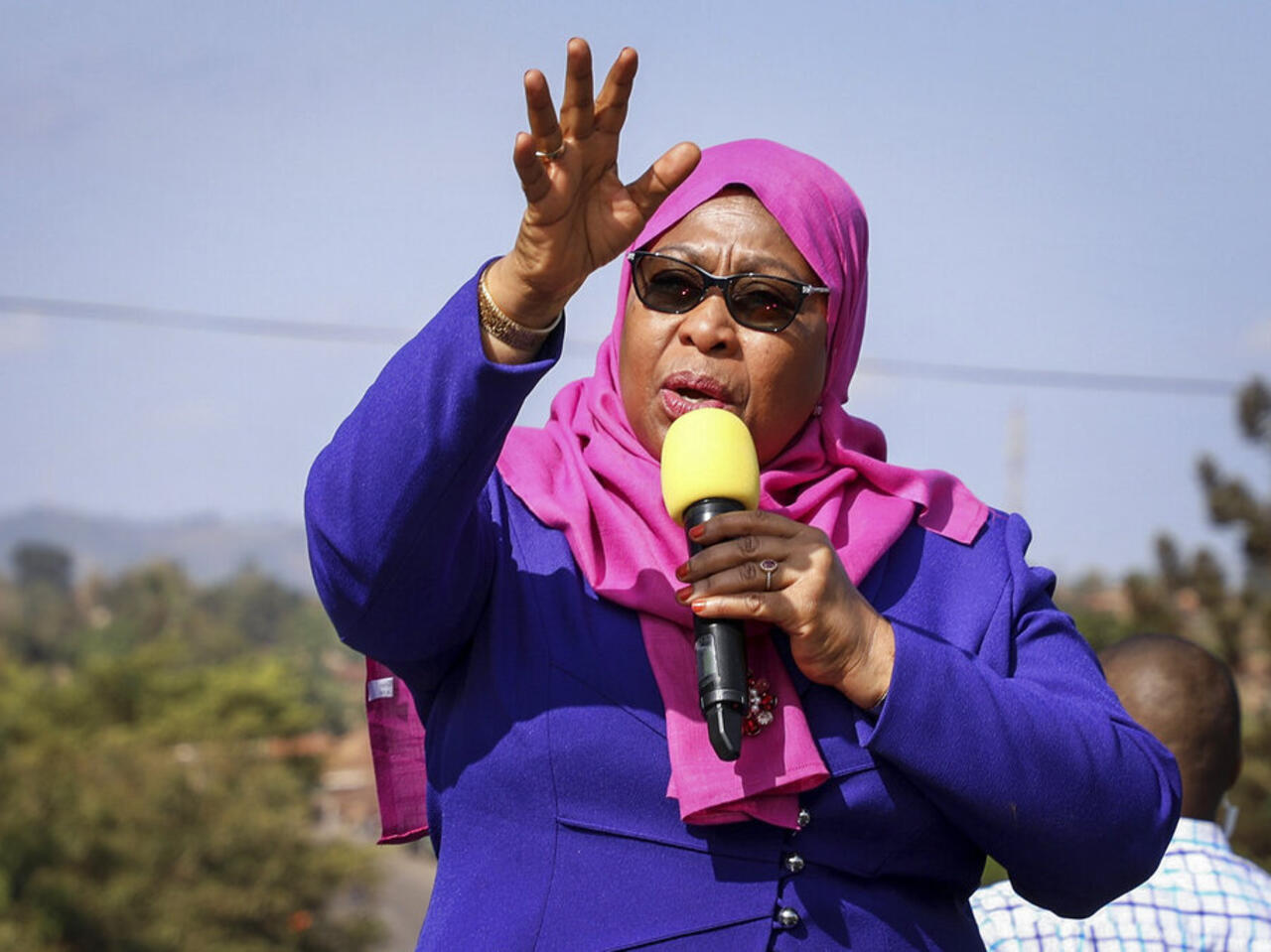
The protests were sparked by the disqualification of key opposition figures, including members of the CHADEMA party, whose leader Tundu Lissu faces treason charges. The party condemned the election as a “coronation” of President Samia Suluhu Hassan, accusing her administration of stifling dissent and manipulating the vote.
Hassan, who took office in 2021 after the death of her predecessor John Magufuli, has rejected allegations of abuse, saying she has ordered investigations into alleged abductions of government critics. However, no official findings have been released, fuelling further suspicion among the public.
The United States embassy has urged its citizens to remain indoors, reflecting international concern over Tanzania’s deteriorating political stability.
Economic Uncertainty Looms
With the curfew and connectivity blackout persisting, economists warn that the unrest could have ripple effects across the economy. Disruptions in Dar es Salaam’s port operations and transport networks threaten to drive up the cost of imported goods, from fuel to food items, in the coming days.
For the ordinary Tanzanian, already squeezed by rising living costs, the unrest adds another layer of hardship. As one shopkeeper put it, “Politics may be for the powerful, but when the city shuts down, it’s the poor who pay first.”