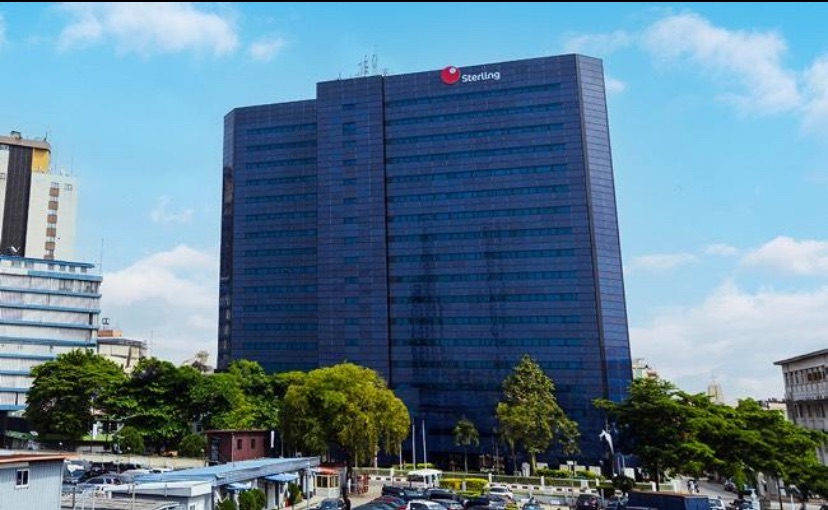

Sterling Bank has maintained a healthy loan portfolio over the past decade, keeping its non-performing loan (NPL) ratio below the Central Bank of Nigeria’s regulatory limit even as many banks continue to struggle with rising bad loans.
Recent figures show that Sterling Bank’s NPL ratio increased only slightly from 4.80 per cent in the first quarter of 2016 to 4.93 per cent in the first quarter of 2026. Although the figure rose marginally, it remained below the CBN’s prudential threshold of five per cent, which is considered the maximum acceptable level for bad loans.
The performance places Sterling Bank ahead of the broader banking industry, where bad loans have climbed well above the regulatory benchmark.
Data from the Central Bank of Nigeria revealed that the industry’s non-performing loan ratio reached 8.03 per cent in January 2026, compared with 7.51 per cent in December 2025. The increase reflected a decline in the quality of loans across the banking sector following changes in loan classifications after the withdrawal of regulatory forbearance.
The CBN explained that the adjustment in loan classification contributed to the rise in bad loans, pushing the industry’s ratio further above the recommended five per cent limit.
By February 2026, the average non-performing loan ratio across the banking sector had increased even further to 9.85 per cent, raising concerns among financial experts about the health of banks’ loan books.
Non-performing loans are loans that borrowers have failed to repay within the agreed period. A high level of bad loans can reduce a bank’s profitability, weaken its balance sheet, and limit its ability to provide fresh credit to businesses and individuals.
In contrast, Sterling Bank’s relatively stable loan performance suggests that the lender has maintained stronger credit risk management over the years despite the difficult economic environment.
Industry analysts say maintaining an NPL ratio below the regulatory limit demonstrates disciplined lending practices and careful monitoring of borrowers. It also strengthens investor confidence and supports the bank’s financial stability.
The Central Bank has warned that if bad loans continue to increase across the industry, they could weaken the banking system and create wider financial risks for the economy.
According to the apex bank, rising non-performing loans reduce the quality of banks’ assets and may limit their capacity to finance economic activities. For this reason, the regulator has urged financial institutions to improve credit discipline and strengthen their loan recovery processes.
One of the key recommendations from the CBN is the wider adoption of the Global Standing Instruction (GSI) framework. The system allows banks to recover unpaid loans from borrowers by accessing funds held in their accounts across different financial institutions.
The regulator believes full integration of the GSI framework will improve loan recovery, discourage loan defaults, and strengthen responsible borrowing throughout the financial system.
Banking experts also believe that improving credit assessment before loans are approved will help reduce future defaults. They argue that stronger monitoring of borrowers and early intervention when repayment challenges arise can significantly improve loan performance.
As Nigeria’s banking sector continues to navigate economic uncertainty, institutions with lower bad loan ratios are expected to be in a stronger position to support business growth and withstand financial shocks.
Sterling Bank’s ability to keep its non-performing loans below the CBN’s regulatory threshold over the past ten years highlights its consistent approach to risk management. While the wider industry continues to battle rising loan defaults, the bank’s performance suggests that prudent lending and effective recovery strategies remain essential for maintaining long-term financial stability.