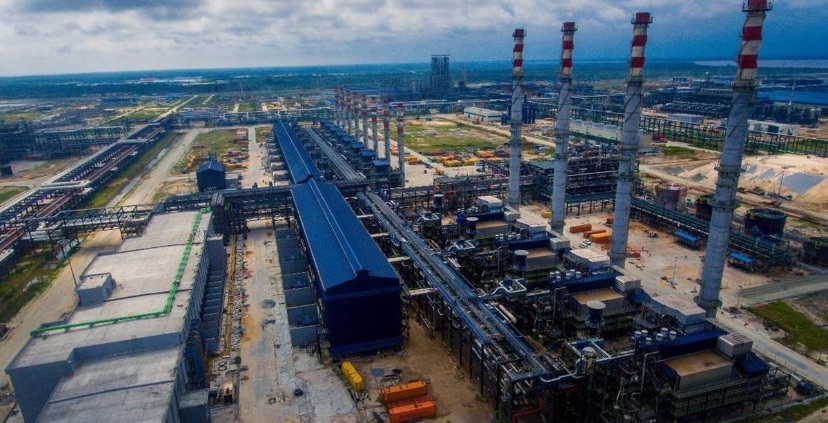

Dangote Petroleum Refinery and Petrochemicals has raised about $2.5 billion in fresh investment, marking one of the biggest private equity fundraising deals ever completed by an African company.
The company announced that the funding came through a private equity placement involving both African and international investors. It described the transaction as Africa’s largest publicly disclosed primary equity private placement, highlighting growing confidence in the refinery’s long-term future.
According to the company, the fundraising is a major milestone because it is the first time outside investors have acquired equity in the refinery beyond its original shareholders. The move broadens the company’s ownership while providing new capital to support its expansion plans.
The refinery said the new funds will be used to expand its refining and petrochemical operations, strengthen its financial position, and provide greater flexibility for future investments. The company believes the fresh capital will help it continue developing one of the world’s largest integrated refining and petrochemical complexes.
The investment attracted a wide range of participants, including international institutional investors, African investment firms, sovereign-backed funds, development finance institutions, strategic business partners, and private investors.
Among the major investors were the Africa Finance Corporation (AFC) and India Infra Buildco, an investment platform supported by the African Export-Import Bank (Afreximbank). Their participation reflects growing confidence in the refinery’s business model and long-term potential.
President and Chief Executive of Dangote Industries Limited, Aliko Dangote, described the successful fundraising as another important step in building a stronger and more sustainable company.
He explained that expanding the shareholder base would improve the company’s financial strength while supporting its ambitious growth plans. According to him, the additional funding will complement internally generated revenue and existing financing arrangements as the refinery continues to expand.
Dangote also reaffirmed the company’s commitment to strengthening Africa’s energy industry by increasing local refining capacity. He noted that expanding domestic production will help reduce the continent’s dependence on imported petroleum products while improving long-term energy security.
Managing Director and Chief Executive Officer of Dangote Petroleum Refinery and Petrochemicals, David Bird, said the strong response from investors reflects confidence in the refinery’s operational performance and future prospects.
He stated that the overwhelming demand for the investment demonstrates investors’ trust in the company’s leadership, efficient operations, and ability to execute large-scale industrial projects successfully.
According to the refinery, the successful fundraising places the company in a stronger position to accelerate future projects and create long-term value for investors while supporting Africa’s industrial development.
The company added that the investment will help increase refining and petrochemical production, improve operational efficiency, and strengthen its role as one of Africa’s leading energy companies.
It also expressed appreciation to its financial advisers and professional partners whose expertise helped complete the transaction successfully.
Industry analysts believe the latest capital injection could further strengthen the refinery’s position in Nigeria’s energy sector. Since beginning operations, the refinery has played an increasingly important role in supplying petroleum products locally, reducing import dependence, and supporting economic development.
The successful investment round also sends a positive signal to global investors, showing that large-scale industrial projects in Africa can continue to attract significant international funding. With fresh capital now secured, the Dangote Refinery is expected to push ahead with its expansion plans while contributing to improved energy security, increased industrial production, and stronger economic growth across Nigeria and the African continent.