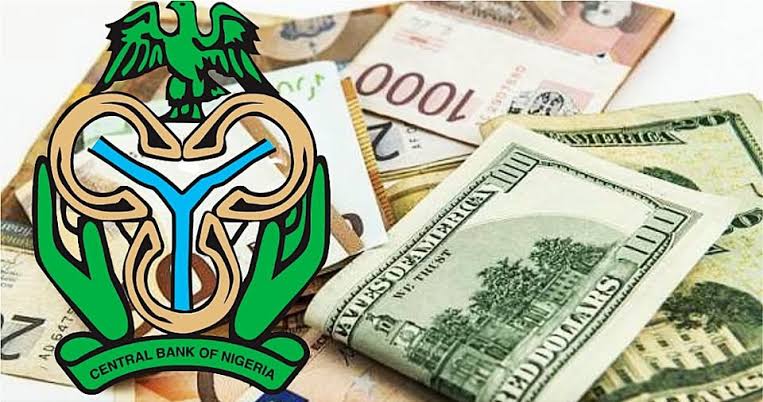

Nigeria’s gross external reserves climbed to $51.86 billion as of July 14, 2026, their highest level in more than 17 years, exceeding the Central Bank of Nigeria’s (CBN) projected year-end reserve level for 2026.
The latest figure represents the highest reserve balance since January 15, 2009, when Nigeria’s external reserves stood at approximately $52.01 billion, according to historical CBN data.
The milestone also places the reserves above the $51.04 billion year-end projection contained in the CBN’s 2026 Macroeconomic Outlook, underscoring stronger-than-expected reserve accumulation during the first half of the year.
The reserves have maintained a steady upward trajectory since the second quarter. They rose from $49.58 billion at the end of May to $51.45 billion at the end of June before increasing further to $51.52 billion at the start of July, $51.76 billion during the first week of the month and $51.86 billion by July 14.
Analysts attribute the improvement to a combination of higher crude oil export receipts, sustained foreign portfolio investment inflows encouraged by the CBN’s tight monetary policy, improved liquidity in the foreign exchange market and stronger non-oil export earnings. The stronger reserve position also reflects ongoing efforts by monetary authorities to rebuild external buffers amid improving macroeconomic conditions.
The rise in reserves provides the CBN with greater capacity to support external obligations, strengthen investor confidence and enhance the country’s resilience against external shocks. A healthier reserve position is also viewed as a positive signal for exchange rate stability, although analysts note that broader macroeconomic fundamentals will remain critical.
Despite the positive trend, economists say sustaining reserve growth will depend on continued improvements in crude oil production and exports, stable foreign capital inflows and the consistent implementation of economic reforms aimed at boosting investor confidence and improving foreign exchange earnings.
The CBN has maintained a tight monetary policy stance to curb inflation, stabilise the naira and attract foreign capital, measures that analysts say have contributed to the recent improvement in Nigeria’s external reserve position.