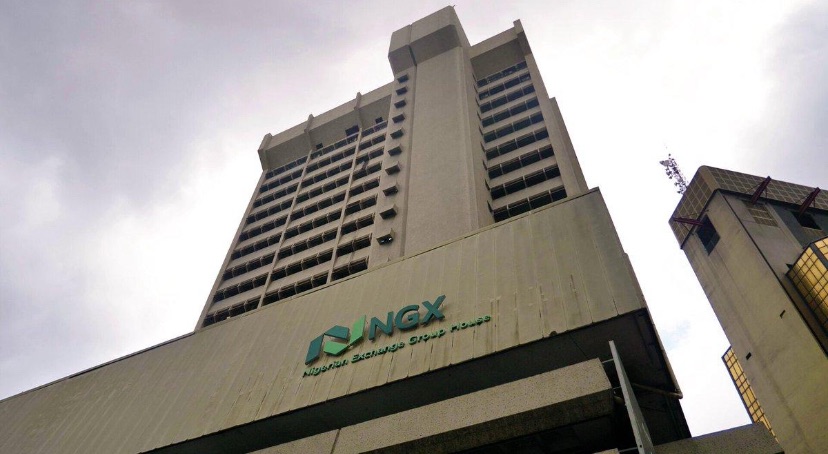

The Nigerian Exchange Group (NGX) has taken another important step to boost confidence in Nigeria’s capital market by meeting with FTSE Russell, global investors, and international custodians. The discussions focused on explaining the country’s new T+1 settlement system and addressing concerns that have delayed Nigeria’s return to Frontier Market status.
The meeting gave NGX officials the opportunity to explain recent reforms in the Nigerian stock market and receive feedback from international stakeholders before FTSE Russell releases its final decision on Nigeria’s market classification, expected by the end of August 2026.
According to reports, a senior NGX official said the discussions allowed market participants to better understand why FTSE Russell decided to pause Nigeria’s reclassification despite earlier positive signals. The exchange also highlighted the improvements being made to strengthen the market and attract more foreign investment.
One of the major topics discussed was Nigeria’s new T+1 settlement cycle, which became effective last month. Under this system, stock transactions are completed one business day after a trade is made. The NGX explained that the transition followed extensive consultations involving regulators, market operators, technology providers, and other industry participants.
The exchange assured investors that the new settlement process has been operating smoothly since it was introduced. It also noted that the Securities and Exchange Commission (SEC) approved the change and remains committed to resolving any issues that may arise under the new framework.
Although FTSE Russell announced in March 2026 that Nigeria would return to Frontier Market status, the actual implementation has been placed under further review. The delay has raised questions among some international investors about the country’s readiness.
Reacting to the situation, the Managing Director and Chief Executive Officer of APT Securities and Funds Limited, Kasimu Kurfi, said there appears to be confusion about how the T+1 settlement system works. He believes this misunderstanding has created unnecessary concerns among some investors.
Kurfi encouraged the Central Securities Clearing System (CSCS) and the Nigerian Exchange Group to continue engaging with international stakeholders. According to him, providing clear information will help correct misconceptions and allow investors to make informed decisions.
He also expressed confidence in the Nigerian stock market, saying there is no reason for the market to lose its momentum. Kurfi noted that international rating agencies such as S&P and Moody’s already recognize Nigeria’s exchange as a strong potential frontier market and are familiar with T+1 settlement systems used in many other countries.
He praised the efforts of the NGX and CSCS to maintain open communication with global investors, adding that such engagements would improve Nigeria’s image in the international financial community and support future investment.
Public finance expert Dr. Khalid Ahmed also applauded the NGX leadership for taking proactive steps to engage global stakeholders. He said the meetings are more than routine discussions, describing them as strategic efforts aimed at improving investor confidence, increasing market credibility, encouraging capital inflows, and strengthening Nigeria’s position in the global financial market.
With FTSE Russell’s final decision expected soon, market stakeholders remain optimistic that Nigeria’s ongoing reforms and active engagement with investors will support a positive outcome.